
















Why a Property Management System (PMS) Is Essential in 2026
- February 10, 2026
- Gertjan van Wijk

The hotel industry is changing fast. Staffing shortages persist, operating costs continue to rise, and guests expect a seamless, digital experience without errors or long wait times. In 2026, operational efficiency is no longer a nice-to-have — it’s a prerequisite for staying profitable and guest-focused. A modern Property Management System (PMS) sits at the very center of your hotel operations.
What you’ll learn in 2 minutes
- What a Property Management System (PMS) is and how it works in a hotel
- Which PMS modules are essential in 2026 (reservations, payments, housekeeping, reporting)
- The difference between a PMS, channel manager, booking engine, and other hotel software
- What a PMS typically costs and how to choose the right solution for your hotel and team
- How a PMS helps increase revenue through direct bookings, upsells, and smart pricing
Key takeaway
A modern hotel PMS connects all core processes in one platform. This saves time, reduces errors, and improves the guest journey. In 2026, all-in-one PMS software is increasingly becoming the industry standard.
The way hotels operate has fundamentally changed in recent years. Where hotel management once relied heavily on manual processes, spreadsheets, and disconnected systems, today’s reality demands speed, visibility, and automation. Guests expect a frictionless online booking experience, fast communication, and contactless check-in and check-out — without delays or confusion.
A modern Property Management System brings all essential processes together in one centralized platform: reservations, payments, guest communication, housekeeping, and reporting. The benefits are immediate. Hotels save time, reduce operational errors, and improve collaboration across departments. Just as importantly, teams gain the freedom to focus on what truly matters — delivering a better guest experience and driving sustainable growth.
In this guide, you’ll discover:
- what a Property Management System is and how it works;
- which features and modules are essential in 2026;
- how a PMS supports both cost control and revenue growth;
- which type of PMS fits your hotel, role, and business goals;
- and what to consider when choosing or replacing hotel software.
This guide is designed for hotel owners, general managers, revenue managers, and operational teams who want to understand how modern PMS solutions enable more efficient operations, happier guests, and future-proof hotel management. Whether you run a small boutique hotel or manage multiple properties, this is your starting point for choosing the right PMS in 2026.
What type of hotel are you? How to use this guide
Not every hotel has the same needs. Use the decision guide below to quickly identify which PMS capabilities matter most for your operation.
Fewer than 20 rooms (B&B or boutique hotel)
Focus on:
- an intuitive reservation calendar
- an integrated booking engine for direct bookings
- automated payments and guest communication
Goal: minimize administrative work and keep daily operations simple and stress-free.
20–80 rooms (mid-size hotel)
Focus on:
- housekeeping scheduling and real-time room status
- channel manager and POS integrations
- occupancy and revenue reporting
Goal: improve cross-department collaboration and maintain clear operational oversight.
Multiple properties or an aparthotel
Focus on:
- multi-property dashboards
- centralized pricing rules and reporting
- API integrations with finance, CRM, and revenue tools
Goal: scale efficiently with centralized control and local operational flexibility.
In the rest of this guide, you’ll see how a modern PMS supports these needs — regardless of hotel size or structure.
What is a property management system (PMS)?
A property management system (PMS) is the central software platform hotels use to manage reservations, guest data, payments, housekeeping, and reporting in one system. It connects all core hotel operations and provides real-time visibility across departments.
Modern PMS platforms often include built-in tools such as channel management and direct booking capabilities through the hotel’s own website. By replacing disconnected tools with a single, automated platform, a PMS reduces manual work, minimizes errors, and helps hotel teams operate more efficiently and guest-focused.
PMS vs. hotel software vs. hotel management software: what’s the difference?
The terms PMS, hotel software, and hotel management software are often used interchangeably, but they don’t always mean the same thing.
Property Management System (PMS)
A PMS is specifically designed to manage accommodations. It forms the core of hotel operations and focuses on reservations, guest management, payments, housekeeping, and reporting.
Hotel software
This is a broader umbrella term for all software used within a hotel. It can include a PMS, channel manager, accounting software, POS systems, and revenue management tools.
Hotel management software
This term is typically used for all-in-one platforms that combine multiple functions. In practice, this usually refers to a modern PMS enhanced with a channel manager, booking engine, and integrated payment processing.
In short: a PMS is always hotel software, but not all hotel software is a PMS. In 2026, more hotels are deliberately choosing all-in-one PMS platforms, as working with multiple disconnected systems is increasingly complex, error-prone, and time-consuming.
What types of accommodations is a PMS suitable for?
A Property Management System is not just for large hotels. Thanks to cloud-based technology and scalable functionality, a PMS is suitable for nearly every type of accommodation.
Hotels
From small city hotels to large resorts, a PMS provides visibility, automation, and better collaboration across departments.
Boutique hotels
Personalization is key for boutique properties. A PMS helps capture guest preferences, offer add-ons, and deliver a personalized experience without adding administrative workload.
B&Bs
Small properties also benefit from a PMS. Automated reservations, payments, and guest communication save time and allow small teams to operate professionally.
Aparthotels
Aparthotels combine hotel services with longer stays. A PMS supports flexible length-of-stay management, periodic invoicing, and managing multiple units simultaneously.
Vacation parks
For vacation parks, it’s important to manage not only accommodations but also additional services such as bike rentals, parking, or activities. A PMS provides structure and insight into both bookings and ancillary revenue.
In summary: a Property Management System is suitable for any accommodation that wants to operate more efficiently, gain better visibility, and improve the guest experience. While the exact setup may vary by property type, the foundation remains the same — one centralized system that connects everything.
How does a hotel property management system work?
A hotel Property Management System is the central hub where all operational processes come together. It connects departments, automates manual tasks, and ensures that everyone in the hotel works with the same up-to-date information. To fully understand how a PMS works, it’s helpful to look at both its role within the hotel and the complete journey from reservation to check-out.
The PMS as the central hub of your hotel
You can think of a PMS as the brain of your hotel. All critical information is collected, processed, and shared within a single system. Reservations, guest data, payments, room statuses, and reports are managed in one place. Instead of relying on disconnected tools or manual lists, every team works from the same platform.
For the front desk, this means instant visibility into arrivals, departures, and special guest requests. Housekeeping can see which rooms need to be cleaned and when they are ready again. Management always has access to real-time occupancy and revenue data. Because everything is connected, daily operations run smoothly and efficiently.
From Reservation to Check-Out: Step by Step
A PMS starts working long before a guest arrives. As soon as a reservation is made—through the hotel website, an online booking channel, or by phone—it is automatically recorded in the system. Room availability is updated instantly, and the guest receives a confirmation.
Before arrival, the PMS can automatically send emails with practical information or an invitation for online check-in. Any payments or deposits are securely processed and linked to the correct reservation. Upon arrival, the front desk can see at a glance that everything is in order, allowing the guest to check in quickly.
During the stay, the PMS records additional charges such as restaurant bills or parking fees and adds them to the correct folio. At check-out, the system automatically verifies that all charges have been settled, sends the invoice, and releases the room for housekeeping. From booking to check-out, the entire process is largely automated.
Data Flow Between Front Desk, Housekeeping, Payments, and Channels
One of the biggest advantages of a modern PMS is that all departments are fully connected. When a guest checks out, housekeeping is notified immediately. Once a room has been cleaned, the front desk can instantly see that it is available again.
Payments and booking channels are also tightly integrated. Price changes and availability updates are automatically synchronized with external platforms, helping prevent overbookings. Charges from connected POS systems are added directly to the guest’s reservation. This eliminates duplicate work and significantly reduces the risk of errors.
Real-Time Synchronization and Error Prevention
Because a PMS operates in real time, all information is always current. This is essential in an environment where speed and accuracy matter. Issues such as double bookings, missed payments, or incorrect room statuses are largely prevented because the system continuously checks and updates data automatically.
Real-time synchronization also allows hotels to respond quickly to change. Whether it’s a last-minute booking, a rate adjustment, or an unexpected extension of a stay, the PMS updates everything instantly and keeps all departments informed.
In short, a hotel Property Management System ensures that processes flow seamlessly, errors are minimized, and staff can focus on delivering great service instead of handling administrative work.
Key features of modern PMS software
Modern property management systems are very different from the traditional hotel software of the past. Where older systems were often installed on-site and focused mainly on basic administration, PMS solutions in 2026 have evolved into smart, cloud-based platforms that support the entire hotel operation. Below are the key features that define a modern PMS.
Cloud-based access anytime, anywhere
A modern PMS is fully cloud-based. This means no local servers are required and users can log in from anywhere with an internet connection. Whether you’re in the office, at the front desk, or checking something on the go, you always have access to up-to-date data on a laptop, tablet, or smartphone.
Cloud-based systems also provide automatic updates, backups, and enhanced security. Hotels don’t have to worry about technical maintenance while always working with the latest features.
Ease of use for the entire team
Ease of use is a decisive factor when choosing a PMS in 2026. Hotel staff need to be able to work with the system quickly, even without extensive training. An intuitive interface, clear dashboards, and logical workflows make a real difference in day-to-day operations.
A user-friendly PMS shortens onboarding time for new employees, reduces errors, and minimizes support requests. This is especially important in an industry facing ongoing staffing shortages and high employee turnover.
Automation and time savings
One of the biggest advantages of modern PMS software is automation. Repetitive tasks such as sending confirmations, processing payments, updating availability, and generating invoices are handled automatically.
Thanks to automation, hotels save several hours of administrative work each day. Staff can spend more time on guest service and interaction, while the system takes care of routine tasks. This improves both operational efficiency and overall job satisfaction.
Real-time insights and reporting
Making decisions based on outdated data is no longer an option in 2026. Modern PMS platforms provide real-time insight into occupancy, revenue, booking channels, and guest behavior. Clear dashboards and reports allow hoteliers to instantly see how the property is performing.
These insights support smarter pricing decisions, more accurate staff planning, and a more effective sales strategy. Because all data is centralized, management can rely on consistent and accurate numbers.
Scalability and multi-property management
A strong PMS grows with your business. Whether you start with a small hotel or manage multiple locations, modern systems are scalable and flexible. You can easily add rooms, features, or even entire properties without switching platforms.
For hotel groups or multi-location operations, multi-property management makes it possible to oversee everything from a single dashboard. This ensures consistency and control while still allowing each location to operate independently.
Data security, privacy, and compliance
As digital processes continue to expand, data security has become a critical part of hotel operations. A modern property management system supports compliance with data protection regulations while ensuring that guest information is stored securely and accessible only to authorized users.
For U.S. hotels, PCI DSS compliance and state-level privacy regulations such as CCPA and CPRA are especially important when selecting a PMS. Payment data must be handled through secure, certified payment solutions, without sensitive card information being stored locally.
Modern PMS platforms use encryption to protect data both at rest and in transit, combined with automated backups and role-based access controls. This reduces risk, supports business continuity, and allows hotels to operate with confidence in a security-conscious environment.
In short, data security and compliance are no longer optional features. When properly implemented, a PMS helps hotels stay compliant, protect guest trust, and maintain reliable, future-ready operations.
Overview of all modules in a modern property management system
A modern Property Management System consists of multiple modules that work together to streamline hotel operations. Depending on the provider, these features may be fully integrated or available as separate modules, but the goal is always the same: more visibility, less manual work, and a better guest experience. Below are the modules considered essential in 2026.
Reservation management and the PMS calendar
The reservation module is the core of any PMS. The PMS calendar provides an at-a-glance view of which rooms are available, occupied, or blocked. Color coding and filters allow staff to quickly switch between arrivals, departures, and in-house stays.
Reservations from different sources—such as the hotel website, OTAs, or phone bookings—are automatically consolidated into a single overview. Availability is updated in real time, preventing double bookings. Modern systems also support group reservations and the booking of additional spaces, such as meeting rooms or parking.
Front desk operations, online check-in, and self check-out
The front desk module supports both traditional desk operations and digital workflows. Staff can quickly check guests in, assign rooms, and verify guest information.
Online and self-service check-in and check-out are becoming increasingly important. Guests can complete their details in advance, settle outstanding balances, and receive practical stay information. This reduces wait times, eases front desk workload, and creates a smoother arrival and departure experience.
Payment processing and invoicing
A modern PMS links reservations directly to payments and invoices. Online payments, deposits, payments at check-in or check-out, and OTA payments are processed automatically.
Invoices can be configured flexibly. Charges can be split, combined, or assigned to different payers such as corporate accounts or travel agencies. Additional charges—for example from a restaurant or spa—are added automatically. This reduces errors and speeds up the check-out process.
Guest communication and personalization
Guest communication plays a key role in the overall guest experience. This module automates emails sent before arrival, during the stay, and after departure. Examples include booking confirmations, practical information, online check-in invitations, and review requests.
Guest profiles allow communication to be personalized based on preferences, language, or previous stays. This creates a more personal experience without adding manual work for staff.
Rate management and pricing rules
The rate management module makes it easy to set up different pricing plans, such as flexible and non-refundable rates, packages, corporate rates, or early-booking discounts.
Pricing rules automatically apply conditions such as minimum length of stay, surcharges, or closed dates. Rates can be updated across all sales channels with a single change, saving time and reducing the risk of pricing errors.
Revenue management and dynamic pricing
An increasing number of PMS platforms include built-in revenue management functionality. These tools allow rates to adjust automatically based on factors such as occupancy, demand, seasonality, and arrival date.
Dynamic pricing helps hotels maximize room revenue without constant manual rate changes. Some systems even provide pricing recommendations based on historical data and market trends.
Housekeeping and maintenance
The housekeeping module provides clear planning and communication between the front desk and housekeeping teams. Staff can see which rooms need cleaning, which guests are checking out or extending their stay, and which rooms are ready for sale.
Maintenance tasks can be logged and linked to specific rooms or reservations. This helps maintain property quality and ensures that no issues are overlooked.
Event and banqueting management
For hotels with meeting spaces or event facilities, event and banqueting management is a valuable addition. This module supports planning of rooms, schedules, packages, and required resources.
Group bookings, corporate meetings, and events are managed in a structured way, including deposits and invoicing. This makes it easier to generate additional revenue beyond room sales.
Reporting and management dashboards
Reporting modules provide insight into hotel performance. Modern PMS platforms offer clear dashboards with real-time data on occupancy, revenue, booking channels, and trends.
Management reports support data-driven decision-making, period comparisons, and strategic adjustments. All key metrics are centrally available without manual calculations.
Channel manager
The channel manager synchronizes rates and availability with external booking channels such as OTAs. Changes are applied automatically, preventing overbookings and simplifying multi-channel distribution.
In an integrated PMS, the channel manager works seamlessly with the reservation calendar, ensuring that availability is always accurate and up to date.
Booking engine and direct reservations
An integrated booking engine enables direct reservations through the hotel’s own website. Guests can book easily, securely, and on mobile devices, without relying on third-party platforms.
This reduces commission costs and gives hotels greater control over the guest relationship. Add-ons, packages, and upgrades can be offered directly during the booking process.
Integrations, APIs, and marketplaces
No hotel operates with a single system. That’s why modern PMS platforms include an integration hub or marketplace. This allows hotels to connect tools such as accounting software, POS systems, smart locks, and marketing solutions.
Through APIs, systems communicate securely without complex technical setups. This makes it possible to build a flexible technology ecosystem tailored to the specific needs of each hotel.
Together, these modules form a complete, future-ready Property Management System that simplifies hotel operations, minimizes errors, and creates room for growth and guest-focused service.

PMS vs. other hotel software: what do you really need?
Many hoteliers still work with a mix of different systems: a PMS for core operations, a separate channel manager, standalone accounting software, and sometimes even manual processes alongside them. This often raises a key question: what do you actually need to run your hotel efficiently? By comparing the main types of hotel software, it becomes clear why modern hotels are increasingly choosing a single, integrated platform.
PMS vs. channel manager
A Property Management System and a channel manager each serve a distinct purpose. A channel manager focuses solely on synchronizing rates and availability with external booking channels such as OTAs. A PMS, on the other hand, manages the entire hotel operation, including reservations, guest data, payments, invoicing, housekeeping, and reporting.
When a channel manager is used without an integrated PMS, processes remain fragmented. In a modern all-in-one PMS, the channel manager is built in, allowing reservations to flow directly into the PMS calendar and preventing overbookings. This saves time and significantly reduces the risk of errors.
PMS vs. revenue management system (RMS)
A Revenue Management System (RMS) is specialized software focused on price optimization. It analyzes demand, competition, and historical data to recommend optimal room rates. Traditionally, RMS solutions were mainly used by large hotels with dedicated revenue teams.
A PMS has a broader role and focuses on the full operational picture. Increasingly, core revenue management features—such as dynamic pricing and pricing rules—are built directly into the PMS. For many hotels, a standalone RMS is no longer essential. Only properties with highly complex pricing strategies typically require a separate RMS integration.
PMS vs. standalone accounting software
Standalone accounting software is designed for financial administration but lacks the operational context of hotel workflows. Invoices, payments, and reservations often need to be manually reconciled, which is time-consuming and prone to errors.
A PMS with integrated payment processing and invoicing ensures that all financial transactions are directly linked to reservations and guest folios. While accounting software is often still required for financial reporting and tax compliance, it can be automatically fed with data from the PMS, eliminating duplicate work and keeping the financial workflow clean and accurate.
PMS vs. POS systems (restaurant and bar)
A POS system (Point of Sale) is used to manage sales in outlets such as restaurants, bars, or spas. It records orders, payments, and F&B revenue. A PMS, by contrast, manages the entire guest stay, including reservations, guest profiles, billing, housekeeping, and reporting.
The real value lies in integration. When a POS system is connected to the PMS, charges such as meals, drinks, or spa services are automatically posted to the correct room or guest folio. This prevents manual entry, reduces disputes at check-out, and helps ensure that no revenue is missed.
PMS vs. CRM (guest relationship management)
A CRM focuses primarily on marketing and guest relationship management, including segmentation, campaigns, loyalty programs, and repeat visits. A PMS is operational at its core, managing the full guest journey and all related processes.
Many modern PMS platforms already include basic CRM functionality through guest profiles, booking history, preferences, and notes. If a hotel relies heavily on repeat business or advanced marketing automation, a dedicated CRM integration can add value. For many properties, however, a PMS with strong guest profiles represents a major step forward on its own.
PMS vs. reservation systems (a common source of confusion)
A reservation system is typically a tool used to record bookings or accept online reservations. It usually does not manage the full operation. A PMS goes further by linking reservations to payments, invoices, housekeeping, guest communication, and reporting.
Hotels using a simple reservation system often find they still need multiple additional tools, such as a channel manager, invoicing software, guest messaging tools, or cleaning schedules. A PMS replaces these disconnected components with a single, centralized workflow, resulting in a more efficient and error-free operation.
PMS vs. legacy or on-premise systems
Legacy or on-premise systems are installed locally and require in-house servers and ongoing maintenance. They typically offer limited functionality and are difficult to integrate with modern tools. Updates are costly, and flexibility is often lacking.
Modern cloud-based PMS solutions provide automatic updates, stronger security, and access from anywhere. They scale with the hotel and support rapid innovation. As a result, more hotels are transitioning from legacy systems to cloud-based PMS platforms to remain competitive and future-ready.
Why all-in-one PMS platforms are the future
The trend in hospitality is clear: hotels want fewer disconnected systems and more visibility. All-in-one PMS platforms combine reservations, channel management, payments, guest communication, and reporting in a single environment.
This leads to:
- Less manual work and fewer errors;
- Better collaboration between departments
- Real-time insight into performance;
- Lower maintenance and support costs.
Instead of working with multiple vendors and interfaces, the entire team operates from one system. That’s why all-in-one PMS platforms are no longer the exception in 2026, but increasingly the standard for hotels that want to operate efficiently and remain future-ready.
PMS, channel manager, and booking engine in one system
More and more hotels are moving away from separate tools and choosing a single, integrated platform where the PMS, channel manager, and booking engine work together. This shift is no coincidence. In a market where speed, clarity, and error-free operations are critical, standalone systems are becoming harder to justify.
Why separate tools are becoming less practical
When reservations, rates, payments, and guest data are spread across multiple systems, complexity increases. Staff need to switch between dashboards, manually verify information, and correct errors. This takes time and increases the risk of miscommunication between departments.
In addition, separate tools often operate with delays or limited synchronization. A rate change made in one system may need to be manually updated in another. During busy periods, this quickly leads to mistakes, stress, and lost revenue.
Real-time synchronization of rates and availability
In an all-in-one system, the PMS, channel manager, and booking engine are fully connected. Rates and availability are synchronized in real time across all sales channels.
When a reservation is made through the hotel website or an external booking platform, availability is updated instantly. Rate changes and pricing rules are automatically applied across all channels. As a result, the hotel always works with accurate, up-to-date information without additional manual effort.
Fewer errors and overbookings
One of the biggest advantages of an integrated system is error prevention. Because everything is updated in real time, the risk of double bookings is minimal. Errors in pricing, payments, or room assignments are also far less common, as the system continuously checks and links data automatically.
This not only reduces administrative workload but also improves the guest experience. Guests receive exactly what they booked, without surprises or last-minute changes at the front desk.
Working more efficiently from a single dashboard
With an all-in-one PMS, the entire team works from one clear dashboard. Front desk, housekeeping, management, and revenue teams all rely on the same data and speak the same operational “language.”
This makes collaboration faster and more efficient. Staff no longer need to search through multiple systems and immediately see reservations, payments, room statuses, and performance metrics. The result is smoother operations and a calmer, more controlled work environment.
Example of an all-in-one approach with RoomRaccoon
A strong example of an integrated approach is RoomRaccoon. In this platform, the Property Management System, channel manager, and booking engine are fully combined.
Hotels manage reservations, rates, payments, and direct bookings from a single environment. This enables real-time synchronization, reduces manual work, and gives hotels greater control over the entire guest journey—from the first booking to check-out. For many hotels, this all-in-one structure is the reason to move away from separate tools and choose a future-proof solution.
In summary, by combining the PMS, channel manager, and booking engine into one system, hotels operate more efficiently, make fewer errors, and maximize the value of every reservation. This makes integrated PMS platforms not just logical, but nearly indispensable in 2026.
Which property management system is right for your hotel?
Not every hotel has the same needs. Choosing the right Property Management System depends heavily on the size, complexity, and goals of your property. Below, you’ll find which PMS capabilities are most valuable for different types of hotels, helping you select a system that truly fits your business—without paying for features you don’t need or missing ones you do.
PMS for small hotels and B&Bs
For small hotels and bed & breakfasts, the focus is usually on ease of use, automation, and direct bookings. You’re working with a small team, want to avoid complex tools, and need a system that simplifies daily operations.
What to look for:
- A cloud-based system with no IT maintenance required
- A simple reservation calendar
- Automated guest communication (confirmations, check-in information, thank-you messages)
- A booking engine for commission-free direct reservations
- Basic channel management to synchronize OTAs and the hotel website
For smaller properties, the primary goal is clear:
less time spent on administration, more focus on personalized guest experiences.
PMS for mid-sized hotels
Mid-sized hotels have more rooms, more guests, and often multiple departments that need to work together. Efficiency and visibility are critical. You need a PMS that does more than manage reservations—it must connect operational workflows.
Key PMS capabilities:
- Advanced reservation and calendar functionality
- Integration with POS systems (restaurant, bar)
- Housekeeping scheduling with real-time status updates
- Reporting on revenue, occupancy, and channel performance
- Automatic synchronization with multiple OTAs through a channel manager
As hotels scale, process optimization and data-driven insights become increasingly important.
PMS for large hotels and hotel groups
Large hotels and hotel groups operate with high room counts, multiple brands or locations, and complex workflows. A basic PMS is no longer sufficient—you need a powerful, scalable system that can handle large volumes of data and processes with ease.
Essential requirements include:
- A multi-property dashboard with centralized control
- Strong API integrations with revenue management systems, CRM, GDS, and other platforms
- Guest profiles and CRM functionality for personalized service at scale
- Robust reporting and segmentation tools
- Automated workflows connecting front office, housekeeping, and finance
For large organizations, success depends on consistency, scalability, and deep insight across all locations and brands.
PMS for multi-property hotels and aparthotels
Multi-property hotels and aparthotels add another layer of complexity. Multiple properties or units must be managed within a single environment, requiring centralized oversight combined with local flexibility.
Key features for multi-property operations:
- Centralized management with location-specific settings
- Uniform pricing rules across properties
- Central reporting with flexible filters per location
- Channel management tailored to each property
- A flexible booking engine supporting both individual units and group bookings
Aparthotels also typically handle longer stays, additional services (such as housekeeping schedules, parking fees, or laundry services), and more variable billing structures. The PMS must support these needs without manual workarounds.
Summary
| Hotel type | Primary need | Key PMS focus |
|---|---|---|
| Small hotels & B&Bs | Ease of use and time savings | Simple reservations and direct bookings |
| Mid-sized hotels | Operational efficiency | Integrations and housekeeping workflows |
| Large hotels / groups | Scalable operations | Multi-property management and APIs |
| Multi-property / aparthotels | Central control with local flexibility | Unified dashboards and flexible pricing |
Choosing a PMS that aligns with your growth strategy—not just your current size—helps ensure you can scale without needing to migrate systems later.
Choose a PMS that aligns with your goals and growth strategy—not just your current property size. By thinking ahead, you can scale your operations without needing to migrate to a new system later. In the next sections, you’ll learn exactly what to look for when selecting the right PMS.
Which PMS fits your role within the hotel?
Not only the size of the property determines which PMS features matter most—your role within the hotel is just as important. In this section, you’ll see which PMS capabilities have the greatest impact for each role on the hotel team.
For hotel owners
As a hotel owner, your primary focus is visibility, profitability, and long-term sustainability. You want to quickly understand how your hotel is performing, where opportunities exist, and which investments deliver the strongest returns.
A PMS designed for hotel owners provides:
- Real-time dashboards showing revenue, occupancy, and performance
- KPI overviews such as RevPAR, ADR, and direct booking ratio
- Clear cost control and ROI insights
- Strategic reports by period or location
- Integration with financial software and revenue tools
Your goal is access to clear, actionable insights that support smart growth and profitability—without getting lost in daily operational details.
For hotel managers
Hotel managers are responsible for daily operations, service quality, and guest satisfaction. The PMS features you rely on most should support teamwork and keep processes running smoothly.
A PMS for hotel managers should include:
- Clear front desk and availability tools
- Housekeeping scheduling with status updates
- Automated guest communication
- Integrations with F&B and POS systems
- Task lists and team communication within the system
Your focus is structure, efficiency, and service—the PMS should simplify your work, not add complexity.
For revenue managers
Revenue managers focus on pricing, occupancy, and revenue optimization. Your use of the PMS centers on data, pricing strategies, and performance analysis.
Key PMS capabilities for revenue managers include:
- Dynamic pricing tools
- Real-time rate comparisons with competitors
- Forecasting and occupancy models
- Integration with RMS functionality
- Segment analysis and booking pattern insights
A PMS that supports intelligent pricing rules and presents relevant data clearly helps you make better decisions and maximize revenue.
For front desk teams
Front desk teams are the face of the hotel and work daily with reservations, check-in and check-out processes, and guest communication.
The most important PMS features for front desk staff are:
- An intuitive, user-friendly interface
- Fast check-in and check-out workflows
- Direct access to guest profiles and preferences
- Integrations with payment and invoicing tools
- Real-time room and reservation status updates
Everything needs to be easy and fast to access, allowing staff to welcome guests confidently and ensure a smooth stay.
For housekeeping and operations teams
Housekeeping and operations teams need clear, task-focused information. They often work on mobile devices or tablets and must be able to update room statuses in real time while on the floor.
Essential PMS features for housekeeping and operations include:
- Real-time room statuses (vacant, occupied, needs cleaning)
- Task lists with clear priorities
- Mobile updates for on-property teams
- Integration with front desk planning
- Maintenance requests and workflow tracking
A well-designed PMS keeps housekeeping aligned with front desk operations, reduces errors, and supports fast, clear communication—without constant back-and-forth.
Summary
| Role | Primary PMS focus |
|---|---|
| Hotel owner | KPIs, dashboards, profitability, and strategy |
| Hotel manager | Operational oversight, team workflows, and guest satisfaction |
| Revenue manager | Pricing strategies and data-driven insights |
| Front desk staff | Fast workflows and guest interaction |
| Housekeeping / operations | Real-time status updates and task management |
By choosing a PMS that aligns with the needs of both your role and your team, everyone works with the right information and tools. This not only improves operational efficiency but also leads to better guest experiences and a more successful hotel.
What does a property management system cost?
The cost of a Property Management System (PMS) is not a single fixed amount. Pricing varies widely depending on the pricing model, number of rooms, feature set, and vendor. Below is a clear overview of what to expect in 2026, helping you understand both the investment and when a PMS typically pays for itself.
Pricing models explained
PMS providers generally use one or more of the following pricing models:
Pay per room
Many cloud-based PMS vendors charge a monthly fee per room. This model offers flexibility for both small and large hotels. The price per room may increase as rooms are added, but volume-based tiers often reduce the per-room cost at higher room counts.
Flat monthly subscription
Some systems charge a fixed monthly fee regardless of the number of rooms. This can be attractive for hotels with many rooms or multiple properties, as costs are predictable.
Tiered pricing (feature-based)
With tiered pricing, you pay for a package of features. Entry-level tiers include core functionality, while higher tiers add advanced modules such as revenue management, automation, or integrations.
Additional costs
Some providers charge separately for onboarding, data migration, support, or premium features such as advanced reporting or third-party integrations. Always review the fine print when comparing proposals.
Per-room pricing vs. flat subscription
Per-room pricing
- Entry-level PMS solutions may start at a few dollars per room per month (for example, roughly $4–$8 per unit)
- Premium PMS platforms with advanced functionality often range from approximately $10 to $20+ per room per month
Flat subscription pricing
For systems that do not charge per room, monthly fees often start in the low hundreds and can increase to $600–$1,000 or more per month for larger properties or fully integrated, multi-department platforms.
Commissions and hidden costs
Be aware that some systems—especially those with integrated booking engines—may charge additional fees or commissions on direct bookings. These may be flat transaction fees or a percentage on top of the base software cost.
Always confirm:
- whether setup fees apply
- if training or onboarding is charged separately
- what support or upgrade costs look like
- whether pricing is per booking or per transaction
Many vendors offer free trials or entry-level plans with limited features, allowing you to test the system before committing to a contract.
Average PMS costs in 2026
There is no universal pricing standard, but based on current market trends, the following ranges are common:
Small to mid-sized properties
- Entry-level or budget PMS: approximately $3–$10 per room per month
- More complete systems with integrated channel manager and booking engine: often $100–$300 per month on a flat subscription, depending on features and contract terms
Large hotels or multi-property organizations
- PMS platforms with advanced automation, revenue management, and multi-property dashboards may cost $500–$1,000+ per month, particularly when customization and premium support are included
These figures are indicative only. Actual pricing depends on the vendor, region, and size of your operation. Always request multiple quotes and compare what is included in each offer.
When does a PMS pay for itself?
A PMS is not just an expense—it’s an investment in efficiency and revenue. Many hotels find that their PMS pays for itself faster than expected due to a combination of time savings and increased income:
- Automation of manual tasks, allowing staff to be used more efficiently
- Fewer errors and overbookings, directly improving guest satisfaction and revenue
- More direct bookings through integrated booking engines, reducing commission costs
- Improved pricing strategies and rate optimization, often leading to higher RevPAR and ADR
- Real-time reporting, enabling better control over revenue and operating costs
In practice, hotels see that the time saved and additional revenue generated by a modern PMS quickly translate into measurable gains in both staffing efficiency and income. As a result, the system often pays for itself within a relatively short period—especially when used efficiently and combined with integrated management tools.
Summary
| Cost component | Indicative 2026 pricing |
|---|---|
| Base PMS (per room) | $3–$10+ per month |
| Full PMS subscription | $100–$300+ per month |
| Enterprise / multi-property systems | $500–$1,000+ per month |
| Additional commissions (booking engine) | Depends on the provider |
How does a PMS help increase revenue?
A Property Management System is not only a tool for operational efficiency—it’s also a powerful driver of revenue growth. By automating processes, leveraging data intelligently, and embedding sales opportunities throughout the guest journey, a PMS helps hotels consistently generate more value from every reservation.
More direct bookings
A modern PMS is often connected to an integrated booking engine, allowing guests to book directly and securely through the hotel’s website. This reduces reliance on third-party booking platforms and lowers commission costs.
At the same time, a PMS provides insight into booking sources, enabling hotels to fine-tune marketing efforts and pricing strategies for direct sales. More direct bookings mean greater control over the guest relationship and higher net revenue per booking.
Fewer no-shows and cancellations
No-shows and last-minute cancellations cost hotels significant revenue each year. A PMS helps reduce these losses through automated confirmations, reminders, and clearly defined payment policies.
Features such as deposits, prepayments, and secure online payments ensure reservations are more firmly committed. Clear communication before arrival further reduces the likelihood of guests failing to show up or canceling unexpectedly.
Upselling and packages
A PMS makes it easy to offer add-ons and packages during the booking process, at online check-in, or through automated emails. Examples include room upgrades, breakfast, late check-out, parking, or local experiences.
Because these upsells are fully integrated into the system, they are automatically added to the reservation and invoice. This increases average spend per guest without adding extra workload for staff.
Dynamic pricing and improved occupancy
With built-in pricing rules and dynamic pricing capabilities, a PMS allows room rates to automatically adjust based on demand, seasonality, and occupancy levels. Rooms are sold at the right price, at the right time.
This helps hotels avoid empty rooms during low-demand periods and maximize revenue during peak times. The result is higher occupancy and increased revenue per available room.
More efficient use of staff
While this benefit may seem indirect, efficient staffing has a major impact on profitability. By automating administrative tasks, a PMS frees up staff time that can be redirected toward guest service and revenue-generating activities.
Less manual work, fewer errors, and clearer workflows allow the same team to handle more volume. This reduces operating costs while improving service quality—a combination that directly supports healthier margins.
In short, a well-implemented PMS helps hotels not only reduce costs, but also sell smarter, plan better, and maximize revenue from every guest. This makes it an essential component of a profitable hotel strategy in 2026.
Measuring KPIs and performance with a PMS
One of the biggest advantages of a modern Property Management System is that it automatically tracks and visualizes key performance metrics. Instead of relying on manual calculations or disconnected spreadsheets, a PMS provides real-time insight into the KPIs that truly matter. These metrics help hoteliers manage revenue, occupancy, and operational efficiency more effectively.
RevPAR (revenue per available room)
RevPAR is one of the most important performance indicators in hospitality. This KPI shows how much revenue you generate on average per available room. A PMS automatically calculates RevPAR based on occupancy rate and average room rate.
By monitoring RevPAR on a daily basis, you can quickly see whether pricing and occupancy are in balance. It also helps compare performance across periods and adjust rates when needed.
TrevPAR (total revenue per available room)
TrevPAR goes one step further than RevPAR. Instead of focusing only on room revenue, it includes all revenue streams such as breakfast, restaurant, parking, and other ancillary services.
When a PMS is integrated with POS systems and additional services, TrevPAR can be calculated accurately. This provides a more complete view of total revenue per room and highlights opportunities for additional income.
ADR (average daily rate)
ADR shows the average room rate per sold room. It is a key indicator for evaluating whether rooms are being sold at the right price.
With a PMS, ADR can be analyzed by period, room type, or booking channel. This supports smarter pricing strategies and helps identify trends in demand and guest willingness to pay.
Occupancy rate
The occupancy rate indicates what percentage of available rooms are actually sold. This KPI is essential for both operational planning and revenue management.
A PMS provides real-time insight into occupancy and makes it possible to respond quickly to changes—for example by adjusting rates or activating promotions during low-demand periods.
Average length of stay
Average length of stay shows how long guests typically stay at your property. This metric impacts staffing, housekeeping schedules, pricing strategy, and revenue per guest.
By analyzing this KPI within the PMS, hotels can respond to trends and create targeted offers, such as discounts for longer stays or special midweek packages.
Direct booking ratio
The direct booking ratio shows what portion of reservations come directly through the hotel’s own website rather than via third-party channels. This KPI is important because direct bookings are usually more profitable.
A PMS with an integrated booking engine makes it easy to track and improve this ratio. This allows hotels to clearly see the impact of marketing efforts and website optimization.
Time savings per employee
In addition to financial KPIs, efficiency has become an increasingly important performance indicator. Time savings per employee show how much administrative work is eliminated through automation.
A PMS makes these savings visible by streamlining workflows and automating repetitive tasks. Less time spent on administration means more time for guests—and lower operating costs.
In summary, a PMS helps hotels turn data into actionable insight. By continuously measuring and analyzing KPIs, hoteliers can make better decisions, respond faster to change, and improve performance over time.
Transitioning to a new property management system
Switching to a new Property Management System can feel like a major step for many hoteliers. That’s understandable—you want to avoid operational disruption, data loss, or unhappy guests. The good news is that with modern cloud-based PMS platforms, transitions in 2026 are typically much smoother than expected. Below is what you can expect and what to pay attention to.
What happens to existing reservations?
When switching to a new PMS, existing reservations do not have to be lost. In most cases, current and future bookings are safely migrated to the new system.
Guest profiles, stay details, payments, and special requests are transferred so the front desk can continue working as usual. This is typically tested thoroughly before the system goes live, ensuring the guest journey remains uninterrupted during the transition.
How long does a PMS implementation take?
Implementation timelines depend on the size and complexity of the hotel. For small to mid-sized properties, implementation often takes a few weeks. Larger hotels or multi-property organizations may require additional time due to extra integrations or custom configurations.
Because modern PMS platforms are cloud-based, no local installation is required. This significantly reduces deployment time and allows hotels to transition in phases without disrupting daily operations.
Staff training and adoption
A new system is only successful if the team knows how to use it. That’s why training is a critical part of the transition. Strong PMS providers offer structured onboarding, training sessions, and support materials to help staff become comfortable with the system quickly.
Because modern PMS software is designed to be intuitive, the learning curve is usually short. Teams often experience immediate benefits such as reduced manual work and clearer workflows, which accelerates adoption.
Common mistakes during a PMS transition
Most PMS migrations go smoothly, but there are common pitfalls to avoid:
- Not allocating enough time for training
- Insufficient testing before going live
- Focusing only on features instead of usability
- Failing to assign clear internal responsibilities
Avoiding these mistakes helps ensure a calmer, more efficient transition.
What a successful onboarding process looks like
A successful onboarding process goes beyond technical migration. It starts with clear planning and ends with a team that can work independently and confidently in the new system.
A strong onboarding typically includes:
- A dedicated implementation specialist or point of contact
- A clear step-by-step plan with defined milestones
- Testing phases before go-live
- Role-based training (front desk, housekeeping, management)
- Accessible support after launch
With the right guidance, transitioning to a new PMS becomes not a risk, but an opportunity to improve processes and operate more efficiently.
In short, switching to a modern Property Management System in 2026 is entirely manageable when planned carefully. The result is a future-ready platform that grows with your hotel and supports your team in daily operations.
Data security, privacy, and compliance
Hotels process large volumes of sensitive data every day, including guest personal information, payment details, and business data. In 2026, data security is no longer a technical afterthought—it is a critical part of professional hotel operations. A modern Property Management System plays a central role in this area, helping hotels meet regulatory requirements while keeping data secure and accessible.
GDPR compliance in hotel software
The General Data Protection Regulation (GDPR) sets strict requirements for how hotels handle personal data, including names, contact details, identification information, and reservation data. A PMS suitable for use in Europe supports compliance with these regulations.
This includes ensuring that:
- guest data is accessible only to authorized staff;
- data is stored securely and retained only as long as necessary;
- data access and deletion requests can be handled efficiently;
- data processing is transparent and auditable.
A well-designed PMS helps hotels maintain oversight and handle data responsibly without adding unnecessary administrative burden.
PCI-compliant payment processing
When processing credit card and online payments, the PCI DSS standard applies. These guidelines are designed to protect payment data from misuse and data breaches.
A PCI-compliant PMS ensures that sensitive payment information is not stored locally and that transactions are processed through secure, certified payment solutions. This reduces risk for the hotel and ensures payments are handled safely, reliably, and in accordance with industry standards.
Data encryption and backups
Data security goes beyond regulatory compliance. Modern PMS platforms use encryption to protect information both at rest and in transit.
Automatic backups are also standard. In the event of an issue, data can be restored quickly, preventing data loss and supporting business continuity.
Cloud-based security vs. on-premise systems
With on-premise systems, the responsibility for security largely rests with the hotel itself. This requires investment in servers, updates, backups, and security measures—an approach that is often costly and prone to error.
Cloud-based PMS solutions offer an alternative where security is managed centrally and professionally. Updates and security patches are applied automatically, and data is stored in secure data centers. For most hotels, this approach is safer, more scalable, and less burdensome than maintaining local systems.
In summary, a modern PMS helps hotels operate securely, remain compliant, and prepare for the future. By embedding data security and privacy into daily operations, hotels protect not only their guests but also their reputation and long-term continuity.
PMS trends for 2026
The evolution of Property Management Systems is accelerating. While PMS software historically focused on administration and reservation management, the emphasis in 2026 is shifting toward intelligence, automation, and guest-centric operations. These trends shape how hotels operate more efficiently and respond to changing guest expectations.
AI-driven and predictive pricing
Artificial intelligence plays an increasingly important role in PMS software in 2026. AI-driven systems analyze large volumes of data—such as historical bookings, occupancy rates, seasonality, and market trends—to deliver predictive pricing recommendations.
Instead of manually adjusting rates, AI-enabled PMS platforms automatically align pricing with demand. This helps hotels:
- reduce vacancy during low-demand periods;
- maximize rates during peak periods;
- respond more quickly to market changes.
Predictive pricing makes revenue management more accessible, even for hotels without dedicated revenue managers.
Automated guest communication and chatbots
Guests expect fast, clear communication before, during, and after their stay. Modern PMS platforms increasingly automate this communication without making it feel impersonal.
Examples include:
- automated booking confirmations and pre-arrival information;
- reminders for online check-in;
- post-stay follow-ups for reviews or repeat bookings.
Chatbots are also becoming more common. They answer frequently asked questions, provide practical information, and reduce front desk workload while offering guests 24/7 support.
Sustainability and energy integrations
Sustainability is no longer a trend in 2026—it’s a requirement. PMS platforms are increasingly integrated with smart building and energy management systems, allowing energy usage to align automatically with occupancy.
Examples include:
- adjusting heating, cooling, and lighting at check-in and check-out;
- monitoring energy consumption by room or period;
- reducing paper use through digital invoices and online check-in.
This not only lowers environmental impact but also reduces operating costs.
Mobile-first hotel operations
More hotel staff are working on mobile devices. Housekeeping, maintenance, and management teams increasingly rely on tablets or smartphones to manage tasks and update statuses on the go.
Modern PMS platforms are therefore designed with a mobile-first approach, offering:
- full functionality on mobile devices;
- real-time updates on the floor;
- faster communication between departments.
Mobile-first operations increase flexibility and efficiency, especially in larger or distributed properties.
Contactless stays and self-service
Demand for contactless solutions continues to grow. In 2026, guests increasingly expect the option to manage most aspects of their stay independently.
PMS platforms support this through:
- online and self-service check-in and check-out;
- digital payments and invoices;
- self-service portals for add-ons and guest requests.
This enhances guest convenience and reduces pressure on front desk teams—without eliminating the option for personal service.
In summary, PMS trends for 2026 show that hotel software is becoming smarter, more sustainable, and more guest-focused. Hotels that embrace these developments are better positioned for the future, operating more efficiently while delivering higher guest satisfaction.
Case study: Strandhotel de Logerij
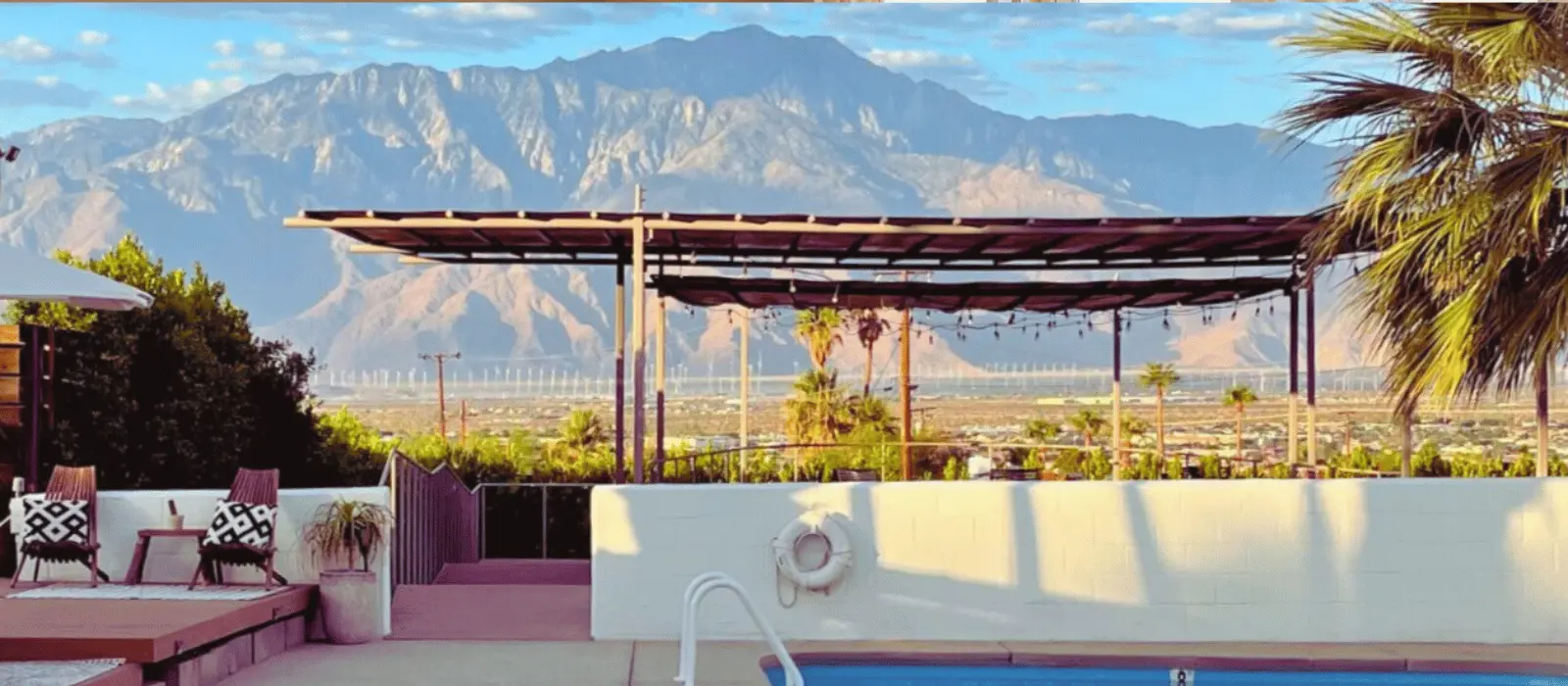
The impact of a Property Management System is most clearly seen in practice. Strandhotel de Logerij is a strong example of how an all-in-one PMS can bring more calm to daily operations, increase efficiency, and deliver better results—even with a small team.
Situation before implementation
Strandhotel de Logerij is a small hotel with 22 rooms located in Renesse. The owner started the business without extensive experience in hospitality and quickly noticed that manual processes and disconnected systems consumed a significant amount of time. Reservations, payments, and guest communication did not always run smoothly, leading to additional administrative work and unnecessary stress.
With a small team, operational efficiency was critical. Every minute spent on administration meant less time and attention for guests.
Choosing an all-in-one PMS
To create more clarity and operational calm, the hotel chose an all-in-one Property Management System from RoomRaccoon. The deciding factors included:
- a single central system for reservations, payments, and communication;
- an integrated booking engine and channel manager;
- automated payment processing;
- ease of use for a small team.
The transition was supported and guided, allowing existing reservations and guest data to be safely migrated while daily operations continued without disruption.
Results: time savings, payments, and direct bookings
After implementation, the benefits became clear very quickly:
- More than 10 hours per month saved on administrative tasks;
- 90% of reservations paid in advance, resulting in fewer no-shows and improved cash flow;
- Approximately 50% of bookings coming directly through the hotel’s own website, reducing commission costs.
Thanks to automated guest communication and integrated payments, the team worked more efficiently and with fewer errors. The focus shifted from administration to guest experience.
What other hoteliers can learn from this
The experience of Strandhotel de Logerij shows that a PMS is not only valuable for large hotels. Small properties, in particular, benefit significantly from automation and centralized workflows.
Key takeaways include:
- An all-in-one PMS saves time, even with a small team.
- Advance payments reduce risk and improve cash flow.
- Direct bookings increase profit per reservation.
- User-friendly software speeds up adoption and reduces operational stress.
This case study highlights that choosing the right PMS is not about the size of the hotel, but about working smarter and building a future-ready operation.
Common mistakes when choosing a PMS
Selecting a Property Management System is a strategic decision. Yet many hoteliers make similar mistakes during the selection process, often with the best intentions. By recognizing these pitfalls, you can prevent a PMS from becoming a limitation instead of a solution.
Choosing based on price alone
A low monthly fee may seem attractive, but it rarely reflects the true value of a PMS. Lower-cost systems often lack essential features, charge extra for integrations, or provide limited support.
As a result, hotels may still lose time to manual work or be forced to migrate to a more advanced system later. Always evaluate total cost of ownership and return on investment—not just the entry price.
Using too many separate systems
Combining a PMS with separate tools for channel management, payments, invoicing, and guest communication may appear flexible, but often leads to unnecessary complexity.
Disconnected systems require manual synchronization, increasing the risk of errors and consuming valuable time. An integrated PMS platform creates clarity and prevents data from being scattered across multiple tools.
Insufficient scalability
Many hotels choose a PMS that fits their current situation without considering future growth. Adding rooms, expanding to new locations, or increasing automation can then become problematic.
A future-proof PMS is scalable and grows with your business. This helps avoid the need for another migration a few years down the line.
Lack of focus on training
Even the best software fails if the team doesn’t know how to use it effectively. Insufficient training leads to frustration, errors, and underutilization of key features.
Strong PMS providers offer structured onboarding and role-based training. Investing time in training helps teams get the most out of the system and improves adoption across the organization.
Poor support and customer service
When issues arise, fast and reliable support is essential. Slow or inadequate support can directly impact daily operations and the guest experience.
When selecting a PMS, evaluate not only features, but also the quality and availability of customer support. Reliable support is critical for operational continuity and peace of mind.
By avoiding these common mistakes, you significantly increase the likelihood that your PMS choice will lead to more efficient operations, happier staff, and stronger business results.
Checklist: how to choose the right property management system in 2026
The market for Property Management Systems is crowded, and the differences between solutions are not always easy to compare. This practical checklist helps you avoid the wrong choice and quickly identify which PMS truly fits your hotel, your team, and your future plans.
Use this checklist as a guide when comparing systems, demos, and proposals.
Pricing model: know what you’re paying for
Start with a clear understanding of the costs. Don’t just ask for the monthly fee—look at the full pricing structure.
Key questions to ask:
- What is included in the base price?
- Are there additional costs for modules, integrations, or support?
- Are you charged per room, per booking, or a flat monthly fee?
- Are there setup, onboarding, or training fees?
- Are you locked into a contract, or can you scale up and down flexibly?
A transparent pricing model prevents unpleasant surprises in the long run.
Expected return: what does the system deliver?
A PMS should do more than reduce costs—it should actively contribute to revenue growth. Ask how the system helps with:
- increasing direct bookings;
- reducing no-shows and operational errors;
- upselling and smarter pricing strategies;
- using staff time more efficiently.
A strong PMS pays for itself through time savings and higher revenue.
Ease of use: does it work for your team?
Ease of use is critical to success. If staff don’t enjoy working with the system, it won’t be used to its full potential.
Evaluate:
- Is the interface intuitive?
- Can new employees be onboarded quickly?
- Does the system work logically for different roles?
- Is it fully usable on tablets and mobile devices?
A PMS should simplify daily work—not make it more complex.
Reporting: do you get the right insights?
Not every PMS offers the same reporting capabilities. Take a close look at the insights available.
Important questions include:
- Do you have real-time visibility into occupancy and revenue?
- Can you easily track KPIs such as RevPAR and ADR?
- Are reports clear and exportable?
- Can you compare performance by channel, period, or location?
Data is only valuable if you can act on it quickly.
Integrations: does it fit your existing tech stack?
A PMS never operates in isolation. Make sure it integrates smoothly with the tools you already use—or plan to use.
Consider integrations with:
- accounting software;
- POS systems;
- smart locks and access control;
- marketing or CRM tools;
- revenue management solutions.
A strong integration hub or API reduces manual work and keeps systems connected.
Support: what happens when you need help?
Reliable support is essential—especially during busy periods when issues need to be resolved quickly.
Check:
- How accessible is customer support?
- Which languages are supported?
- Are there manuals, knowledge bases, or video tutorials available?
- How fast is the response time for urgent issues?
Strong support provides peace of mind and operational continuity.
Onboarding: how smooth is the transition?
Good onboarding makes the difference between a smooth launch and a stressful transition.
Ask about:
- support for data migration;
- a clear implementation timeline and testing phases;
- role-based training for your team;
- ongoing support after go-live.
A structured onboarding process accelerates adoption and long-term success.
Demo or trial: experience it yourself
Finally, don’t rely on marketing claims alone. Always request a demo or trial period.
During a demo, pay attention to:
- how logically the system is structured;
- whether it fits your daily workflows;
- how quickly your team can learn to use it.
This is the best way to determine whether a PMS truly fits your hotel.
By using this checklist, you greatly increase the chances of selecting a future-ready Property Management System that supports growth, efficiency, and guest experience—not just today, but well beyond 2026.
Conclusion: get the most out of your hotel with the right PMS
The hotel industry is evolving rapidly, and by 2026 it is clear that operational efficiency, data-driven decision-making, and a strong guest experience are deeply interconnected. Throughout this guide, you’ve seen that a Property Management System is far more than reservation software—it is the central foundation on which modern hotels build daily operations, revenue strategies, and guest relationships.
A well-designed PMS brings reservations, payments, guest communication, housekeeping, pricing, and reporting together in one unified platform. This reduces manual work, minimizes errors, and creates more operational calm. At the same time, it enables hotels to respond more effectively to demand, increase direct bookings, and generate sustainable revenue growth.
When does switching make sense?
Moving to a new PMS is especially valuable when:
- you rely on multiple disconnected systems that don’t work well together;
- significant time is lost to manual tasks and checks;
- you lack clear insight into performance and KPIs;
- your hotel is growing and your current system can’t scale;
- guests expect more digital convenience and self-service options.
In these situations, a modern PMS is not a cost—it’s an investment that quickly pays off through efficiency and improved performance.
Why all-in-one PMS platforms are becoming the standard
The direction of the industry is clear: hotels are rapidly adopting all-in-one PMS platforms. By combining all essential functions in a single system, complexity is reduced and clarity increases. Rates and availability remain synchronized, departments collaborate more effectively, and decisions are driven by real-time data.
All-in-one platforms lower the risk of errors, simplify operations, and make hotels more agile in an increasingly competitive market. That’s why in 2026 they are no longer seen as a luxury, but as the new standard in hotel management.
Take the next step
Want to see what a modern Property Management System can do for your hotel? Requesting a demo or a personalized consultation is the best next step. It allows you to experience how a PMS works in practice, which features match your needs, and how your processes can be optimized.
By investing in the right PMS today, you lay the foundation for greater efficiency, higher revenue, and happier guests—now and in the future.
Master property management with RoomRaccoon
New to property management software or thinking about switching to something smarter? With RoomRaccoon, you get an intuitive system, a support team that has your back, and the tools to drive efficiency and growth—all in one. Join the ultimate gaze for independent hoteliers and see the difference for yourself!
- Save up to 4 hours daily: Say goodbye to manual tasks with automated front and back-end processes.
- Turns guests into loyal fans: Deliver a seamless booking journey, personalized service, online check-in, and automated upsells.
- Boost bookings and profitability: Strengthen your digital presence across the online booking landscape and maximize revenue with smart pricing rules.
FAQs about hotel management software
A cloud-based Property Management System (PMS) like RoomRaccoon runs on the internet, while an on-premise PMS is installed on a local computer or server. Here’s how they compare:
Updates
- Cloud-Based: Updates automatically, so you always have the latest features and security.
- On-Premise: Requires manual updates, often needing IT support.
Accessibility
- Cloud-Based: Access your PMS anytime, anywhere—from your phone, tablet, or laptop.
- On-Premise: Only works on specific computers in your hotel.
Costs
- Cloud-Based: No expensive hardware; pay a subscription fee with lower upfront costs.
- On-Premise: High setup costs for servers, plus ongoing maintenance expenses.
Security:
- Cloud-Based: Data is encrypted and securely stored in the cloud, reducing risk of data loss.
- On-Premise: You’re responsible for backups and security, which can be costly and complex.
Scalability:
- Cloud-Based: Grows with your business—easily add new features or properties.
- On-Premise: Expanding requires new hardware and IT setup.
Cloud-based PMS platforms are highly secure, often more so than on-premise systems. Leading providers implement end-to-end encryption, multi-factor authentication (MFA), and regular security updates to protect sensitive guest and business data.
Additional security features include:
- Automatic backups to prevent data loss.
- Real-time threat monitoring to detect and prevent cyberattacks.
- Compliance with regulations like GDPR and PCI DSS for secure payment processing.
The cost of a PMS varies based on factors like property size and features. Here’s a breakdown of common expenses:
- Subscription fees – Cloud-based PMS platforms typically charge a monthly or annual fee, often based on the number of rooms or users.
- One-time setup costs – Some providers charge an initial setup fee for implementation, training, and system customization.
- Integration fees – Connecting third-party tools (like channel managers, POS systems, or revenue management software) may come at an additional cost.
- Support & upgrades – Some providers include customer support and software updates in their pricing, while others charge extra.
While a PMS is an investment, the right one practically pays for itself. Think of higher occupancy, happier guests, and fatter profit margins.