1What is an all-in-one hotel software platform and how does it work?
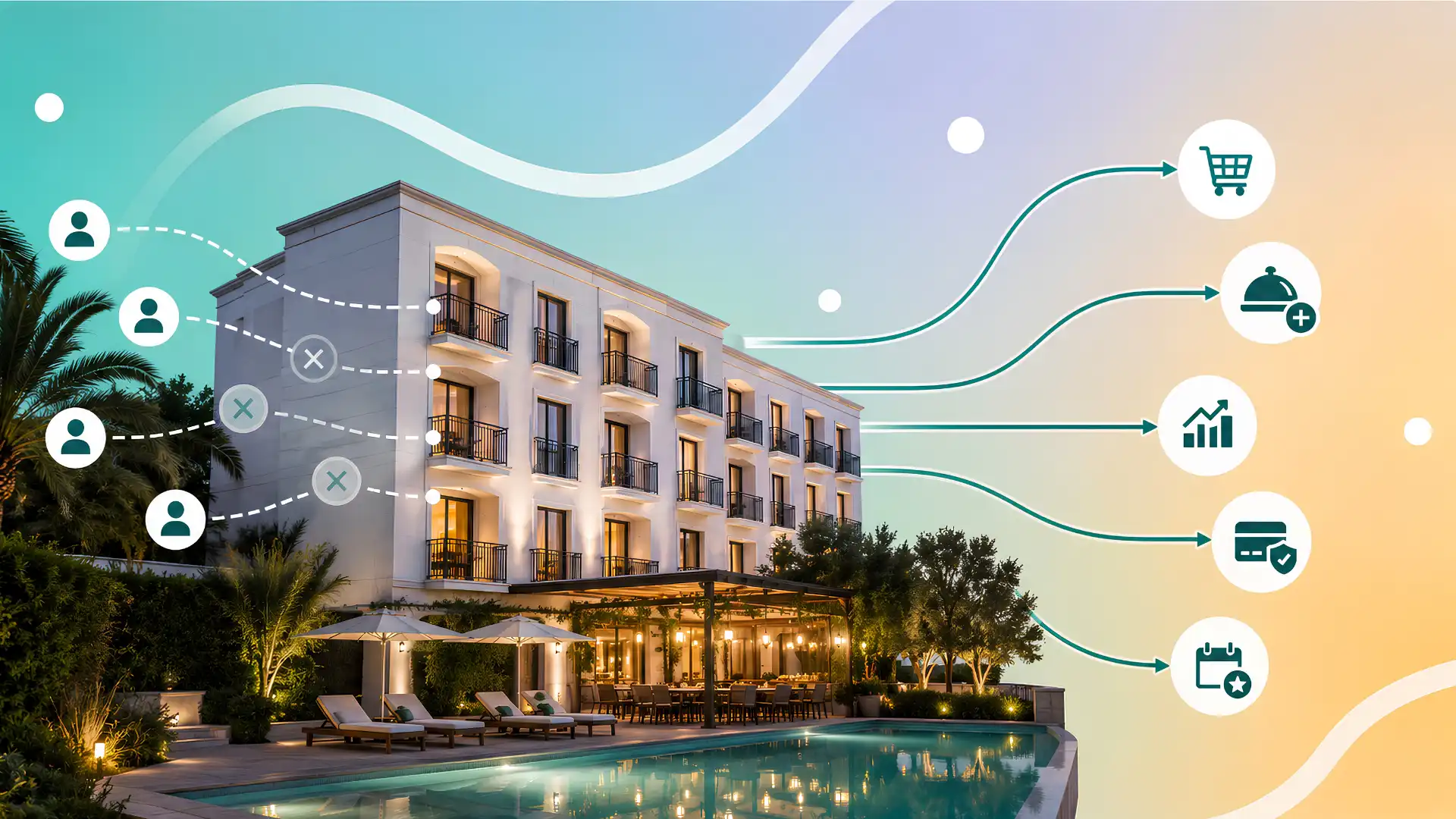
An all-in-one hotel software platform is a cloud-based system that combines several operational tools—typically a Property Management System (PMS), Channel Manager, Booking Engine, payment processing, reporting, and automation—into one unified environment. Instead of using separate tools for reservations, distribution, and guest management, hoteliers operate from a centralized system where inventory, pricing, and guest data remain synchronized. This structure reduces manual work, improves operational visibility, and allows accommodation providers in the United States to manage bookings, rates, and guest interactions from one connected platform.
2What is a Property Management System (PMS) in the hospitality industry?
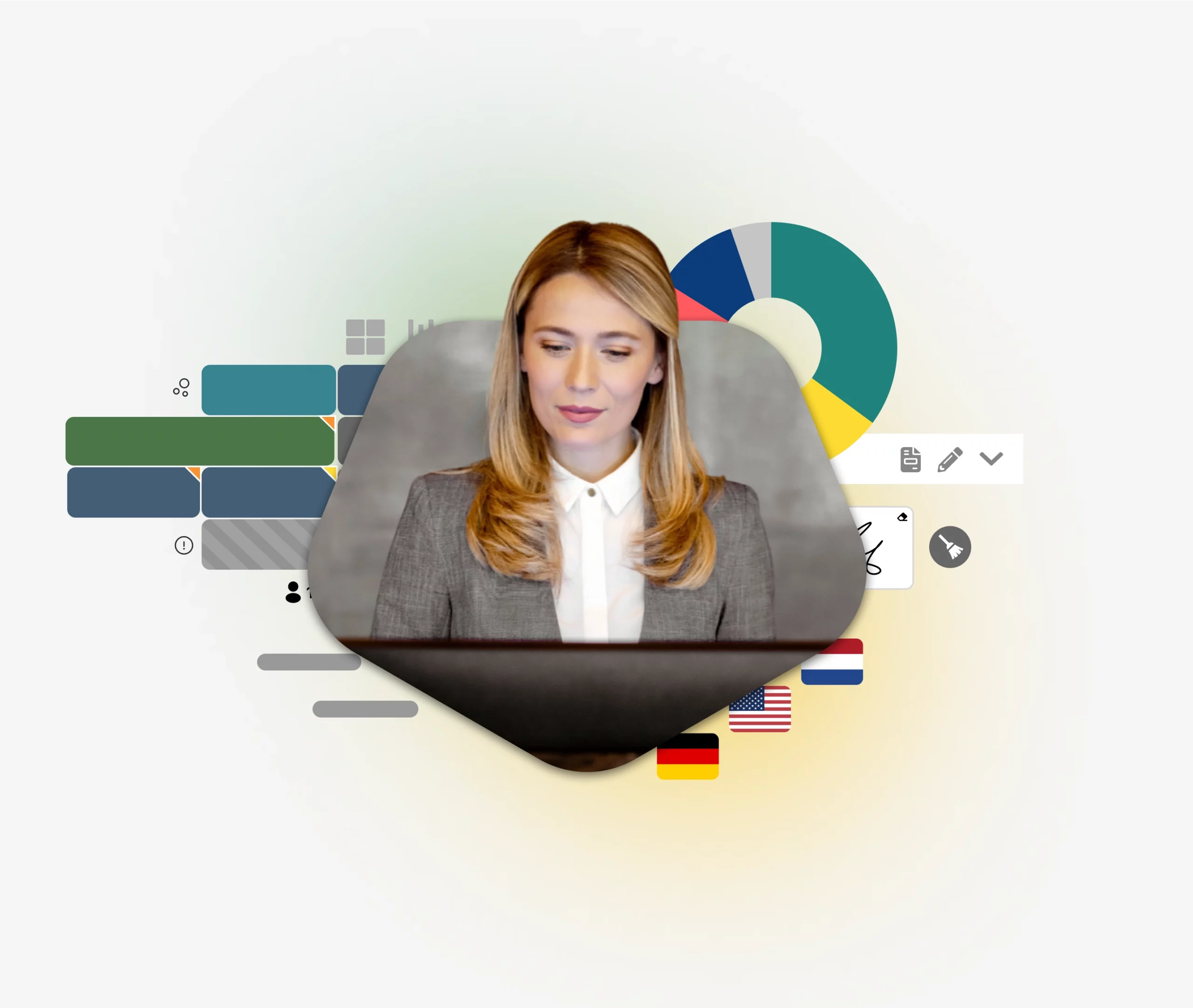
A Property Management System (PMS) is the operational core of modern hotel software. It manages reservations, room assignments, check-ins and check-outs, guest profiles, housekeeping status, and billing. In the U.S. hospitality market, a PMS also typically handles tax configurations, folio management, payment reconciliation, and reporting. By centralizing guest and reservation data, a PMS ensures that front desk staff, housekeeping teams, and management work with the same information, improving efficiency and reducing administrative errors across the property.
3What does a Channel Manager do for hotels and accommodation providers?
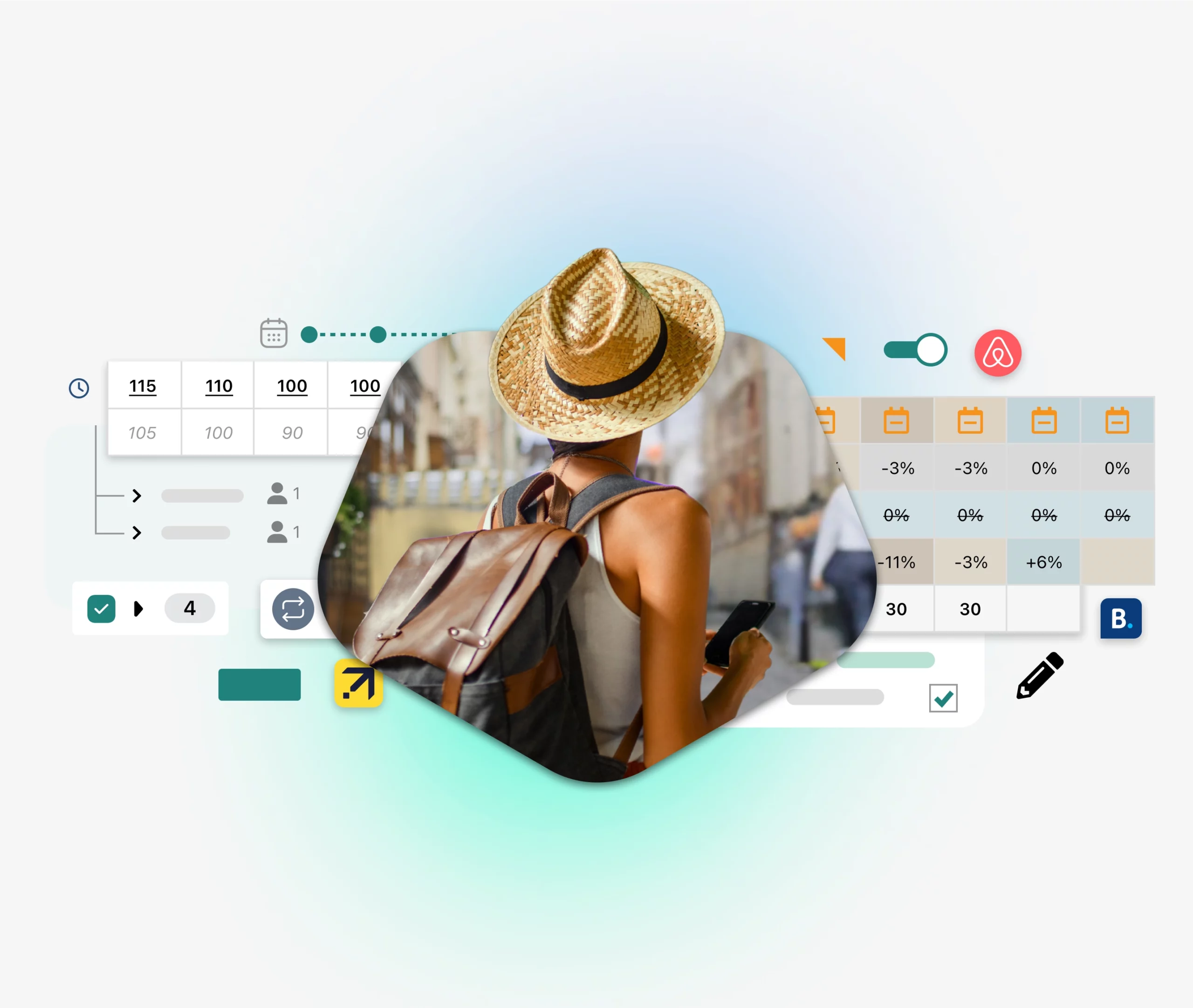
A Channel Manager is a distribution tool that synchronizes room availability, pricing, and restrictions across multiple booking channels such as online travel agencies (OTAs), metasearch platforms, and direct booking channels. When availability changes in the PMS, the Channel Manager automatically updates connected platforms. This prevents double bookings and outdated pricing. For hotels in the United States that depend on several distribution partners, a Channel Manager ensures accurate inventory management and allows operators to manage rates across the entire online marketplace from one system.
4What is a hotel Booking Engine and why is it important for direct bookings?
A hotel Booking Engine is the reservation system embedded on a hotel’s website that allows guests to book rooms directly. It displays real-time availability, pricing, and room information connected to the PMS. For U.S. hotels and inns, a Booking Engine supports commission-free reservations and provides a controlled booking environment where operators manage pricing, policies, and payment collection. A well-integrated Booking Engine strengthens direct booking strategies while maintaining synchronized inventory across OTAs and other channels.
5How do PMS, Channel Manager, and Booking Engine work together in hotel software?
These three components form the foundation of modern hotel technology. The PMS stores reservations and guest data, the Channel Manager distributes inventory and rates to external booking channels, and the Booking Engine processes direct reservations on the hotel’s website. When integrated within one platform, these systems exchange data automatically, keeping availability and pricing consistent everywhere. This coordinated workflow reduces manual updates and ensures that U.S. accommodation providers maintain accurate distribution across both direct and third-party booking channels.
6Why do many hotels prefer cloud-based hotel software instead of legacy systems?
Cloud-based hotel software runs online rather than on local servers, allowing authorized staff to access the system from any device with internet connectivity. Compared with legacy on-premise systems, cloud platforms usually offer faster updates, easier integrations, remote management capabilities, and reduced IT maintenance requirements. For U.S. hotel operators managing lean teams or multiple properties, cloud infrastructure supports operational flexibility and makes it easier to connect distribution channels, payments, reporting tools, and automation features.
7What operational benefits does integrated hotel software provide to accommodation businesses?
Integrated hotel software connects reservations, pricing, guest communication, payments, and reporting in a single system. This eliminates duplicate data entry, reduces the risk of inconsistent pricing across channels, and simplifies staff workflows. In the U.S. hospitality market, where properties often rely on several booking channels and digital tools, integration improves operational accuracy and allows teams to focus more on guest service rather than administrative coordination between disconnected systems.
8How does hotel software help increase direct bookings and reduce OTA dependency?
Hotel software supports direct booking growth through a combination of a high-performing Booking Engine, accurate availability, automated rate updates, and integrated payment processing. When the Booking Engine connects directly with the PMS and Channel Manager, pricing remains consistent across all channels and guests can complete reservations quickly on the hotel’s website. For U.S. operators, strengthening the direct channel helps balance distribution strategies while maintaining visibility on OTAs and other online travel platforms.
9How does automation improve efficiency in hotel operations?
Automation reduces repetitive administrative tasks in hospitality operations. Hotel software can automatically send confirmation emails, pre-arrival instructions, payment reminders, and post-stay follow-ups. It can also trigger housekeeping updates, internal task notifications, and operational workflows tied to reservations. In the U.S. hospitality environment, where staffing efficiency is critical, automation allows teams to focus on guest experience and exception handling rather than manual processes that can be reliably handled by software.
10How does hotel software support revenue management strategies?
Revenue management focuses on optimizing pricing and inventory based on demand, booking pace, and market conditions. Hotel software supports this by connecting real-time occupancy data, historical performance, and distribution insights within a single system. Operators can adjust rates, minimum stays, or availability rules based on demand trends. For U.S. accommodation providers facing fluctuating demand and seasonal events, integrated revenue tools enable faster pricing decisions and better alignment between distribution and profitability goals.
11What types of reports and analytics should hotel software provide?
Hotel software should provide operational and financial insights including occupancy rate, Average Daily Rate (ADR), revenue per available room (RevPAR), booking pace, channel performance, and cancellation patterns. Additional analytics often include guest segmentation, payment reconciliation, and operational metrics such as housekeeping status or check-in times. For U.S. hotel operators, comprehensive reporting enables more informed decisions about pricing, marketing strategy, staffing, and distribution channel performance.
12How much does hotel software typically cost in the United States?
Hotel software pricing in the United States varies depending on property size, number of rooms, features included, and the level of integrations required. Vendors may charge a monthly subscription per room or per property, along with onboarding fees and transaction-based payment processing costs. When evaluating software, hoteliers should consider total cost of ownership, including implementation, training, support, and integration capabilities rather than focusing only on the base subscription price.
13How long does it take to implement hotel software at a property?
Implementation timelines depend on the complexity of the property and the scope of the system configuration. Typical onboarding stages include system setup, room and rate configuration, channel mapping, payment integration, staff training, and testing before the system goes live. For independent hotels or small groups in the United States, implementation may range from several weeks to a few months depending on how many channels, integrations, and historical data migrations are involved.
14What integrations are important in a modern hotel technology ecosystem?
Modern hotel software often integrates with payment gateways, accounting platforms, door lock systems, revenue management tools, housekeeping apps, and customer communication systems. Integrations allow information to move automatically between systems without manual entry. For U.S. hotels operating within a complex digital ecosystem, integration capability ensures that operational data, financial records, and guest information remain synchronized across the broader technology stack.
15How does hotel software handle online travel agencies and distribution channels?
Hotel software connects with online travel agencies through the Channel Manager, which synchronizes room availability, pricing, and restrictions across distribution platforms. When a reservation is made on an OTA, the booking automatically appears in the PMS and inventory updates across all connected channels. For U.S. accommodation providers, this centralized control helps maintain accurate availability and ensures consistent pricing across multiple booking sources.
16How does hotel software support payment processing and PCI DSS compliance?
Payment processing in hotel software typically includes secure card authorization, payment capture, digital invoicing, and reconciliation tools. PCI DSS compliance focuses on protecting cardholder data and reducing security risks associated with payment handling. Modern hotel platforms integrate secure payment gateways to minimize exposure to sensitive card information. For U.S. hotels accepting online reservations and card payments, compliance and secure processing are essential components of responsible financial operations.
17What regulatory considerations should U.S. hotels keep in mind when using booking software?
Hotels in the United States must consider several regulatory factors when operating booking software, including payment card security standards, accessibility requirements for digital booking interfaces, and transparent pricing practices. Regulations affecting accommodation providers may include accessibility obligations under disability legislation and consumer protection rules regarding price disclosure. Software platforms must support these operational requirements so hotels can manage reservations, payments, and guest interactions while remaining aligned with regulatory expectations.
18How does hotel software support the entire guest journey from booking to post-stay communication?
Hotel software manages the full guest journey by connecting reservation data with communication and operational workflows. The system handles booking confirmations, pre-arrival information, check-in management, housekeeping coordination, billing, and post-stay follow-up communication. By maintaining a single guest profile throughout the stay, hotels can provide more consistent service and maintain accurate records for repeat visits and marketing communications.
19How can independent hotels compete with large chains using hotel technology?
Independent hotels often rely on technology to streamline operations and compete with larger hospitality brands. Integrated hotel software allows smaller properties to manage distribution, automate tasks, track performance metrics, and optimize pricing without extensive staffing resources. For U.S. independent hotels and boutique accommodations, the ability to manage reservations, pricing, and guest communication efficiently helps level the competitive landscape against larger chains with more resources.
20What metrics should hotel owners monitor within hotel management software?
Key hospitality performance metrics include occupancy rate, Average Daily Rate (ADR), revenue per available room (RevPAR), booking lead time, channel contribution, and cancellation trends. Operational metrics such as housekeeping turnaround time, check-in efficiency, and payment reconciliation also provide insight into property performance. Monitoring these indicators within a centralized platform helps U.S. hotel owners understand both financial outcomes and operational efficiency.
21What are common mistakes hotels make when choosing hotel software?
Hotels often focus too heavily on price while overlooking integration capabilities, implementation quality, or operational fit. Other common mistakes include ignoring payment workflows, selecting software that does not align with staff processes, or underestimating the importance of distribution connectivity. For U.S. hotels, evaluating how a system handles reservations, payments, and OTA distribution within the real operating environment is essential before making a technology decision.
22When should a hotel consider replacing its existing PMS or hotel software system?
Hotels may consider replacing their PMS when the system requires excessive manual updates, lacks integration capabilities, produces unreliable reports, or limits distribution management. Other indicators include outdated user interfaces, poor automation features, and inefficient payment workflows. In the U.S. hospitality market, operators increasingly seek systems that support cloud access, distribution connectivity, and operational efficiency to remain competitive.
23How does hotel software support multi-property management and hotel groups?
Multi-property functionality allows operators to manage multiple hotels or accommodation units within one system while maintaining property-specific controls. Centralized reporting, shared user permissions, and standardized workflows allow management teams to compare performance across locations. For hotel groups or operators managing multiple properties in the United States, centralized visibility improves operational coordination while still allowing each property to manage its own inventory and operations.
24How does the broader hospitality technology market influence hotel software choices?
The hospitality technology landscape continues to evolve as hotels adopt digital distribution, data-driven pricing strategies, and automated guest communication tools. Market expectations around direct booking experiences, mobile accessibility, and secure payment processing influence how software platforms are designed. For U.S. accommodation providers, technology choices increasingly reflect the need to balance operational efficiency, distribution reach, and compliance with industry standards.
25How does RoomRaccoon fit into an integrated hotel software strategy?
RoomRaccoon is designed as an integrated hotel platform combining a Property Management System, Channel Manager, Booking Engine, payment functionality, reporting, and operational automation within one cloud environment. By connecting these components, the platform allows hotels to manage reservations, distribution channels, and guest communication from a centralized system. For accommodation providers seeking unified operational control, RoomRaccoon represents an example of an all-in-one hospitality software approach that brings core hotel technology tools together.





























 PROPERTY MANAGEMENT SYSTEM