















EVENTS MANAGEMENT SOFTWARE FOR HOTELS
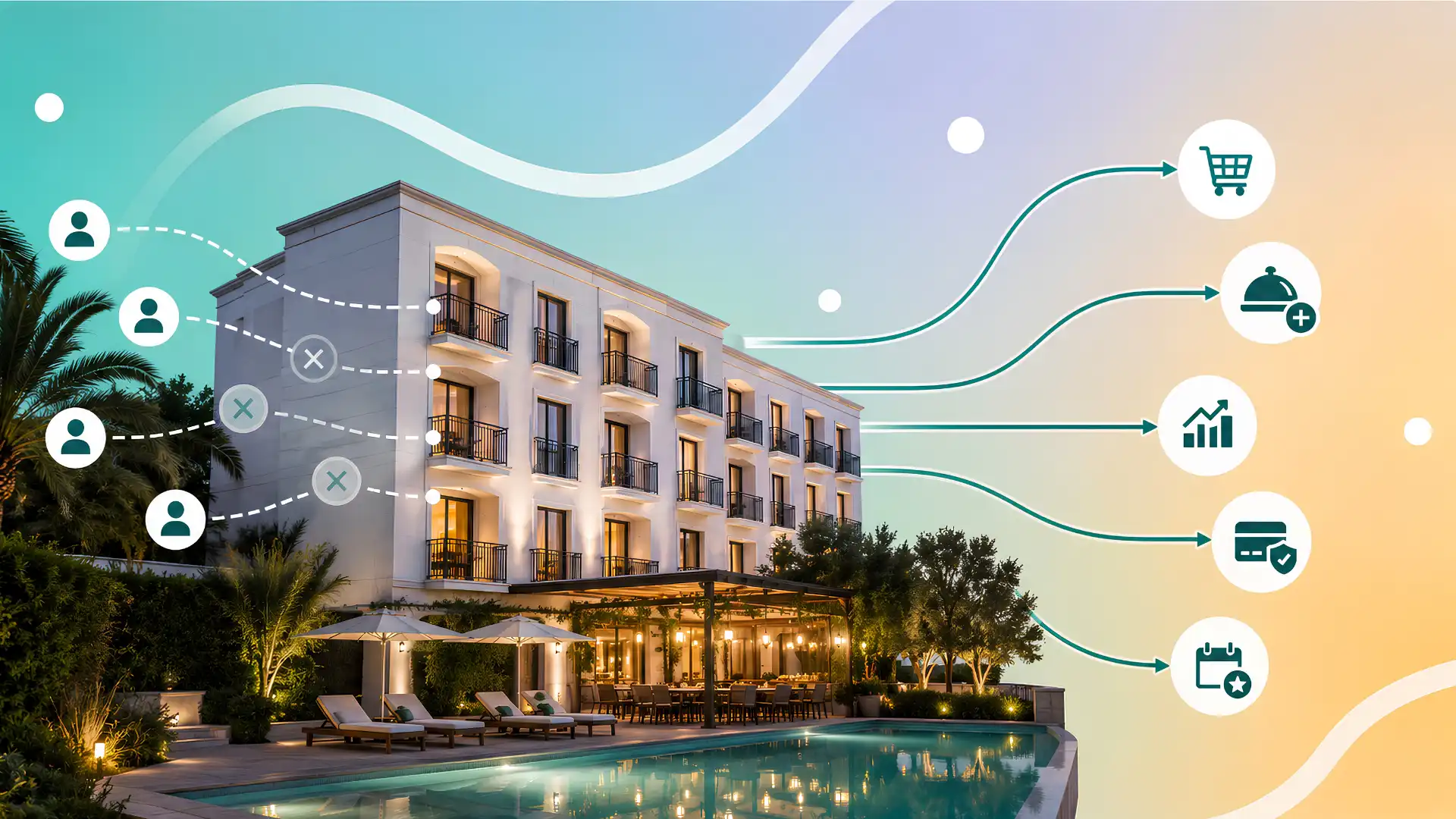
Manage hotel events and group bookings with one platform.
If your hotel runs events, meetings, or group bookings, RoomRaccoon already has what you need. Our PMS gives you the power to plan, manage, and optimise every function—without the need for extra tools.









Run your hotel, host events, and stay in control—with one system
Plan with precision
Create room allotments, assign function spaces, and send proposals—all inside your HMS.
Track KPIs
Link room blocks, guest profiles, and event details for seamless coordination.
Automate the admin
Send quotes, track payments, and manage logistics—all in one place.
Upgrade the experience—for organisers and your team
- Custom discounts in your booking engine — Offer wedding or corporate rates with zero manual work.
- Negotiated rates for travel agents — Build repeat business with fixed corporate pricing.
- F&B list — Manage catering needs right alongside accommodation details.
- Custom documents & email templates — Send automated communication that reflects your brand.


Smarter billing for group stays and events
- Scheduled pre-payment requests — Automate deposits and final payments before arrival.
- Deposit tracking & reports — Stay on top of what’s received, what’s pending, and what’s overdue.
- Digital invoicing & split bills — Generate and send detailed invoices for group and split payments.
- Consolidated statements – Provide clients with clear, complete billing across rooms and extras.
Manage hotel events and room bookings in one place
- Reservation calendar – Visualize availability, prep time, and guest details in one view.
- Booker profiles & activity statements – Track contacts, bookings, and invoices for repeat organisers.
- Room allotments –Reserve and manage blocks for wedding parties, corporate stays, or retreats.
- Function sheets – Give your team a clear run sheet for setup, timing, and guest needs.


Simplify group bookings—for organizers, guests, and your team
- Allotment blocks made easy — Pre-allocate rooms for events, conferences, and banquets with just a few clicks.
- Custom booking engine links — Share unique URLs for each guest to confirm their room and stay details independently.
- Guest self-fill forms — Capture key attendee details in advance to streamline check-in and operations.
- Seamless syncing with group folios – Track reservations, invoices, and communications from a single dashboard.
Our recommended resources
September 3, 2026

Most hotel software says it helps hoteliers move faster. That is nice. Useful, even. But speed is not the whole story. If your team still has […]
July 24, 2026
Your hotel doesn’t need more bookings. It needs to stop leaking money. Not in a dramatic, the-roof-caved-in way. In a quiet way. The kind that never […]
December 4, 2025
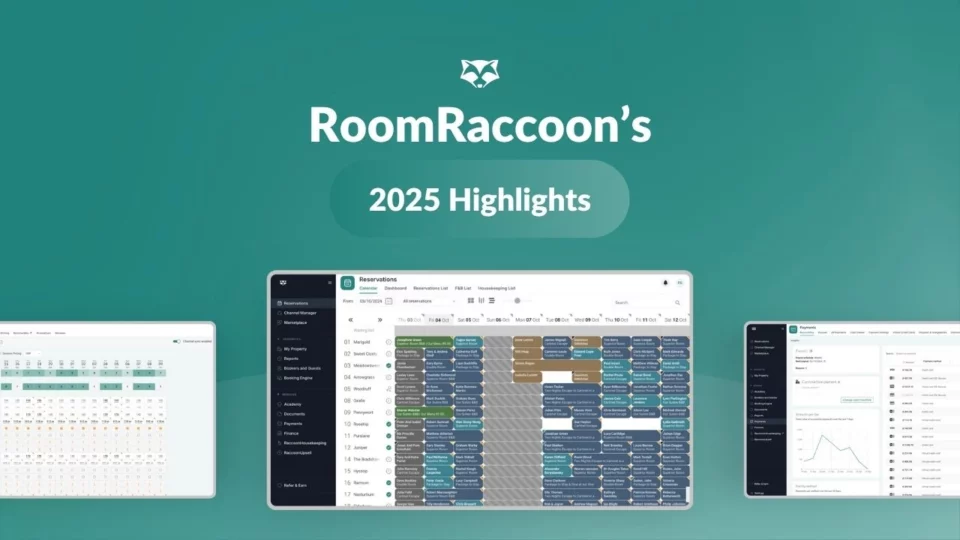
In 2025, independent hoteliers didn’t just keep up — they leveled up. With RoomRaccoon, hotels around the world delivered faster automation, deeper insights, and measurable growth […]
Upgrade to sync your POS with RoomRaccoon.
From venue hire to bar tabs, track event spend across all revenue centres with our POS integrations—ideal for event venues with food & beverage operations.
FAQs: Hotel event scheduling software
1What is hotel event management software?
Hotel event management software is a digital system used by hotels and event venues to manage meetings, conferences, weddings, and group bookings within one operational platform. It organizes event inquiries, room blocks, function-space availability, proposals, contracts, deposits, and billing. In modern hospitality technology, event management tools are typically connected to a Property Management System (PMS), booking engine, and Channel Manager so group reservations, meeting rooms, and guest accommodations remain synchronized with real-time hotel inventory and operational workflows.
2How does event management software work within a hotel technology stack?
Event management software operates as part of the hotel technology ecosystem, typically integrated with the PMS, booking engine, Channel Manager, and payment infrastructure. When a meeting or group event is created, the software allocates rooms, reserves event spaces, records attendee details, and generates financial records such as deposits and invoices. By connecting to the PMS and distribution tools, the system ensures that room blocks, group reservations, and transient bookings remain aligned with real-time availability and revenue management strategies.
3Why do hotels and resorts need event management software today?
Event management software is essential for hotels because meetings, conferences, and group travel represent a significant portion of hospitality revenue. Without specialized tools, staff must rely on spreadsheets, email chains, and manual coordination, which increases the risk of errors and lost revenue. A centralized event management platform automates proposals, coordinates departments, tracks group bookings, and ensures accurate room allocation while integrating with PMS systems, booking engines, and distribution channels used by modern hotels.
4How does event management software improve hotel revenue management?
Event management software supports revenue management by linking group bookings and meeting space sales directly to hotel inventory and pricing strategies. When integrated with a PMS and Channel Manager, the system allows hotels to compare group demand with transient demand from OTAs and direct bookings. This visibility helps revenue managers evaluate whether group room blocks, conference packages, or event pricing align with broader revenue goals while maintaining balanced occupancy across both group and individual travelers.
5How does event management software handle group bookings and room blocks?
Group booking management is a core function of hotel event software. The system allows hotels to allocate blocks of guest rooms to conferences, corporate meetings, or weddings while tracking pickup rates, attendee lists, and release dates. These room blocks remain connected to the PMS so inventory automatically adjusts when rooms are booked or released. This ensures the hotel does not oversell inventory across OTAs, direct bookings, and group reservations while maintaining accurate availability across all distribution channels.
6What are the key features of modern hotel event management software?
Modern hotel event management software typically includes event calendars, function-space scheduling, room block management, proposal generation, contract management, deposit tracking, invoicing, payment collection, and reporting. Many systems also provide integrations with a PMS, Channel Manager, booking engine, CRM tools, and accounting platforms. Cloud-based architectures are increasingly common because they allow hotel staff to access event information from multiple departments and locations while keeping operational data centralized and synchronized.
7How does cloud-based event management software benefit hotels?
Cloud-based event management software stores operational data securely online rather than on local servers, allowing hotel teams to access the system from any location or device. This architecture improves collaboration between sales, operations, and finance teams and enables automatic updates and security improvements. For hotels managing conferences or group bookings, cloud software ensures that room availability, event schedules, payments, and guest information remain synchronized across PMS systems, booking engines, and distribution channels.
8What is the difference between event management software and a hotel PMS?
A Property Management System (PMS) focuses primarily on guest reservations, room inventory, check-in and check-out processes, and guest profiles. Event management software expands beyond core lodging operations to manage meetings, conferences, group bookings, and event spaces. While the PMS handles room reservations, the event management system coordinates room blocks, meeting spaces, contracts, catering requirements, and event schedules, ensuring that group events are managed alongside regular hotel reservations without inventory conflicts.
9How does event management software integrate with a Channel Manager?
A Channel Manager distributes hotel rates and availability to online travel agencies and distribution channels such as Booking.com or Expedia. Event management software integrates with the PMS and Channel Manager to ensure that group room blocks or event reservations immediately update overall inventory. When a conference reserves rooms, the Channel Manager automatically adjusts availability across OTAs and other channels so the hotel avoids overbooking and maintains accurate pricing across its distribution network.
10How does event management software support direct bookings through a booking engine?
Event management software can support direct bookings by connecting group reservations and event packages with the hotel’s booking engine. When a conference or event reserves a room block, attendees may receive booking links or reservation codes that allow them to reserve their rooms directly through the hotel’s website. This approach strengthens the hotel’s direct booking strategy while maintaining accurate room inventory in the PMS and reducing dependence on OTA distribution channels.
11How can event management software reduce OTA dependency for group business?
Event management software supports direct sales strategies by enabling hotels to manage corporate contracts, meeting packages, and conference room blocks without relying on third-party travel platforms. By automating proposals, payment requests, and group reservations, the software allows hotels to handle group business directly with event organizers. This reduces reliance on OTA distribution for group bookings while maintaining accurate room availability through PMS and Channel Manager integrations.
12How does event management software automate proposals, contracts, and invoicing?
Event management software automates the administrative process of converting event inquiries into confirmed bookings. The system can generate standardized proposals, create contracts, calculate deposits, issue invoices, and track payment status. When integrated with hotel payment systems, the software can also process deposits or payment links for event organizers. This automation reduces manual administrative work while maintaining accurate financial records that remain connected to the hotel’s reservation and accounting systems.
13What integrations are most important for hotel event management software?
Critical integrations include the Property Management System (PMS), Channel Manager, booking engine, payment gateways, accounting software, CRM systems, and point-of-sale systems for food and beverage operations. These integrations ensure that event bookings, guest rooms, payments, and operational data remain synchronized. Without these connections, event information can become fragmented across departments, increasing operational complexity and making it difficult for hotels to maintain accurate financial and inventory records.
14What KPIs should hotels track when using event management software?
Hotels should monitor metrics such as lead-to-booking conversion rates, event revenue per available meeting space, average group room rate, pickup pace for room blocks, deposit collection timelines, and total revenue generated from meetings and events. Additional operational KPIs may include response time to event inquiries and staff productivity improvements. When event management software integrates with the PMS and reporting systems, these metrics can be analyzed alongside occupancy and revenue performance.
15How does event management software improve operational efficiency in hotels?
Event management software improves operational efficiency by centralizing information about group bookings, event schedules, guest accommodations, and payments within one platform. This reduces reliance on manual spreadsheets and disconnected communication between departments. Sales teams can manage inquiries, operations teams can track event logistics, and finance teams can manage deposits and invoices. When connected to the PMS and booking systems, the platform eliminates duplicate data entry and minimizes operational errors.
16How much does hotel event management software typically cost in the US?
Hotel event management software pricing in the United States generally follows a subscription model based on factors such as property size, number of rooms, or available features. Monthly software subscriptions may include core functionality such as event scheduling and group bookings, while additional modules may cover integrations, reporting tools, or payment processing. Implementation fees, onboarding support, and training services may also influence total costs when hotels adopt new event management platforms.
17What hidden costs should hotels consider when selecting event management software?
Hidden costs may include onboarding fees, data migration services, additional integration charges, transaction fees from payment providers, advanced reporting modules, and user-license expansions. Some vendors also charge separately for API access or third-party integrations. Hotels evaluating event software should consider the total cost of ownership, including support services and implementation complexity, rather than focusing solely on the base subscription price.
18How long does it take to implement hotel event management software?
Implementation timelines vary depending on the complexity of the hotel’s operations, the number of integrations required, and the amount of historical data that must be migrated. Smaller independent hotels may complete implementation within several weeks, while large resorts with extensive event operations and multiple technology integrations may require several months. Successful implementations typically include staff training, workflow configuration, and testing to ensure the system integrates properly with PMS, payments, and booking systems.
19What data should hotels migrate when adopting a new event management system?
Hotels migrating to a new event management system typically transfer guest profiles, upcoming group reservations, event histories, corporate accounts, room categories, meeting space inventories, pricing structures, and financial records such as deposits and invoices. Migrating accurate data ensures continuity of operations and prevents disruptions to future events or group bookings. Integration with the PMS and accounting software is also essential so financial and reservation data remain consistent across systems.
20How does event management software support hotel payment workflows?
Event management software supports payment workflows by tracking deposits, installment schedules, invoices, and final payments for meetings or group bookings. Integrated payment tools allow hotels to request payments electronically, record transaction status, and reconcile financial records with reservation data. This integration helps finance teams monitor cash flow from events while ensuring that payment records remain aligned with the PMS and accounting systems used for hotel operations.
21What payment methods are commonly used for hotel events in the United States?
In the United States, hotel events are typically paid using credit cards, debit cards, bank transfers, and occasionally digital wallets. Many hotels also accept card-not-present payments for deposits or use secure payment links for remote transactions. Corporate events may involve invoicing with scheduled payments rather than immediate settlement. Event management software helps track these payment workflows and ensures that deposits and balances are linked to event reservations.
22What regulatory and compliance considerations affect hotel event management software in the US?
Hotels operating in the United States must consider several regulatory factors when managing events, including payment security standards, consumer protection regulations, accessibility requirements, and transparent fee disclosure. Payment systems must follow security frameworks for handling card transactions, while event booking processes must clearly present pricing and mandatory fees. Event management software helps structure these processes but hotels remain responsible for complying with applicable laws and operational standards.
23How does ADA compliance affect hotel event operations?
The Americans with Disabilities Act requires hotels and event venues to provide equal access for individuals with disabilities. For event operations, this may involve ensuring accessible meeting rooms, providing accommodation for mobility devices, and clearly communicating accessibility options during the booking process. Event management software can assist by documenting guest requirements, tracking accessibility needs for group bookings, and ensuring operational teams are aware of these requirements before events take place.
24When should a hotel replace spreadsheets with event management software?
Hotels typically transition from spreadsheets to event management software when group bookings, conferences, and event operations become complex enough that manual coordination increases operational risk. Signs include frequent booking conflicts, slow proposal response times, difficulty tracking deposits, and challenges coordinating room blocks with PMS inventory. A dedicated software platform centralizes event information, improves communication across departments, and provides better visibility into revenue from meetings and group bookings.
25How does RoomRaccoon support hotel event management workflows?
RoomRaccoon provides event management functionality within a broader hotel technology platform that connects group bookings, meeting space scheduling, payments, and reservations in one cloud-based system. By integrating event management with a Property Management System, booking engine, Channel Manager, and payment tools, the platform allows hotels to manage meetings and group reservations while keeping room inventory, financial records, and guest data synchronized across the entire hospitality operation.