

















Hotel Event Management in 2025: Trends, Tactics, and Tools to Maximize Revenue
Share this post

Hotel events have always been part of the hospitality landscape, but now, hotels are getting smarter about them.
No longer just room providers, independent hotels are transforming underused spaces into revenue-generating venues. From wine tastings to destination weddings, properties are curating experiences that bring in locals, attract new guests, and make every square metre count.
And it’s not just about what happens inside your doors. Nearby concerts, conferences, and festivals can drive serious demand if you’re ready to capture it.
This guide unpacks the types of events reshaping hotel operations, what’s trending in 2025, how to align with local happenings, and the event management software that makes it all efficient and scalable.
🛎️ Quick Navigation
- What Are Hotel Events and Why Do They Matter?
- What Are the Different Types of Hotel Events?
- Difference Between Push and Pull Hotel Events
- What Types of Hotel Events Are Trending Right Now?
- How to Increase Revenue with Hotel Events
- What Does an Event Manager in a Hotel Do?
- What is Event Management Software for Hotels?
- Benefits of Event Management Software for Hoteliers
- Who Should Use Hotel Event Management Software?
What Are Hotel Events and Why Do They Matter?
Hotel events are any organized gatherings that take place on a hotel’s premises. These can range from intimate live music performance evenings to full-scale weddings, corporate meetings, and local community events.
For independent hoteliers, these events offer more than just additional revenue, they’re a chance to build brand recognition, attract new guests, and maximize the use of space and services.
Hotels are uniquely positioned to host events because they provide both accommodation and venue space. This dual offering is so valuable that many hoteliers now track RevPAM (Revenue per Available Square Metre). It’s a smarter way to measure total revenue potential, not just room sales.
What Are the Different Types of Hotel Events?
When you think of a hotel event, weddings might be the first thing that comes to mind, and for good reason. Hotels make exceptional wedding venues. But in 2025, the range of events hosted by hotels is much broader.
To simplify things, hotel events can be grouped into two main types: push events and pull events.
Push marketing involves promoting hotel-organized events directly to the public, such as live music nights or wine tastings. Pull marketing, on the other hand, focuses on attracting guests who want to host their own events, like weddings, business meetings, or private celebrations. Both types are essential for a well-rounded event strategy.
Difference Between Push and Pull Hotel Events
Hotel events generally fall into two broad categories: push events and pull events.
Push events are initiated and promoted by the hotel. Think live music performances, rooftop yoga, cooking classes, or seasonal tasting menus. These events are marketed through the hotel’s social channels, email campaigns, or in-lobby signage to attract new guests and foot traffic, engage locals, and boost mid-week bookings.
Pull events, on the other hand, are led by guests or external organizers. These include weddings, corporate retreats, private parties, and industry workshops. The hotel provides the space, services, and support, while the guests bring the crowd.
Understanding this distinction can help independent hoteliers plan their calendars more strategically, balancing self-driven events that build brand visibility with client-led bookings that ensure steady venue revenue.
Strategic benefits for independent hoteliers
Understanding and leveraging both push and pull strategies can enhance a hotel’s event business:
Push Strategy Benefits:
- Drives foot traffic from locals and day visitors
- Fills occupancy and venues during off-peak times
- Encourages social sharing and word-of-mouth
- Builds community engagement and repeat attendance
Pull Strategy Benefits:
- Secures high-value bookings (MICE) that often include room nights
- Generates reliable revenue through private event contracts
- Strengthens long-term relationships with planners and organizations
- Enhances the hotel’s reputation as a trusted, go-to venue
What Types of Hotel Events Are Trending Right Now?
In 2025, hotel events are all about experience, flexibility, and community. Here are the formats guests are loving most.
5 popular types of push events in hotels
- Wine, Gin, and Beer Tastings are thriving, especially those showcasing local producers, as guests seek authentic, regional experiences.
- Live Music and Entertainment Nights continue to attract locals and travelers alike, with hotels hosting everything from jazz nights to DJ sets.
- Culinary Experiences and Cooking Classes are in demand as guests look for immersive, hands-on dining activities.
- Wellness Events like rooftop yoga, guided meditation, and spa weekends are key to attracting the wellness-conscious traveler.
- Holiday and Seasonal Events remain staples in hotel programming, from festive dinners to summer-themed pop-ups.
5 popular types of pull events in hotels
- Weddings and Engagement Parties are driving strong demand for destination venues globally, often paired with multi-night stays.
- Corporate Retreats and Meetings are rebounding, with companies investing in meaningful in-person gatherings.
- Private Celebrations such as birthdays and anniversaries, continue to grow, with hotels offering customizable packages.
- Professional Workshops and Conferences are thriving, particularly in emerging destinations and secondary cities.
- Cultural and Community Events are drawing local audiences and boosting brand presence, especially when hotels partner with regional festivals like South by Southwest in Austin or local social organizations.
How to Increase Revenue with Hotel Events
1. Offer hourly bookings
Unused space is missed opportunity. That breakfast room? It’s busy in the morning, then quiet. With hourly bookings, it can transform into an event space by noon, perfect for baby showers, workshops, or private teas.
2. Help guests plan their stay with local insights
Make your hotel a go-to source for local event info. Post useful details like schedules, directions, and FAQs — for example, if the Eras Tour is coming to town, share set times, transport tips, and bag policies. This helps with SEO to drive organic traffic to your site and builds trust with guests ready to book. Plus, it gives you insights into demand so you can adjust pricing and maximize occupancy, especially with the help of intelligent pricing tools.
3. Promote events across all marketing channels
If it’s not on your website, it might as well not exist. Create dedicated pages for all your recurring events — from wedding bookings, steak night Fridays to morning rooftop yoga. Then, amplify your event offerings through a consistent social media content calendar on Instagram, Facebook, and TikTok, giving guests a reason to book, tag, and share.
4. Create a Facebook event
Facebook Events are perfect for promoting pull events like live music nights or tasting menus. They’re easy to share, send automatic reminders, and extend your reach through attendees and partners. Keep event names short for mobile users and support them with engaging content and targeted ads.
5. Build partnerships that bring in bookings
Partnering with local organizers, wedding planners, or corporate bookers can turn your hotel into a preferred venue, especially for midweek or off-season events. These relationships bring in repeat business and help fill gaps in your calendar. Offer negotiated rates and provide them with a custom booking code to book via your booking engine, making it easy for them to choose you every time.
6. Stay price-smart during high-demand events
Events bring a surge of travelers and a prime chance to hit 100% occupancy. But to capture that demand effectively, you need to stay informed. With tools like RaccoonRev Plus, you can track competitor pricing and availability around key dates so you can adjust your own rates strategically and stay aligned with the market.
What Does an Event Manager in a Hotel Do?
A hotel event manager is responsible for coordinating every detail of events hosted on the property, whether it’s a hotel-led push event like a wine tasting or a guest-led pull event such as a wedding or business networking. From 2020 to 2025, hotel event planning roles have grown by an average of 20–30% globally, driven by a strong rebound in weddings, corporate functions, and international conferences.
As the demand for events grows, so does the need for better tools. That’s where hotel event management software comes in.
What is Event Management Software for Hotels?
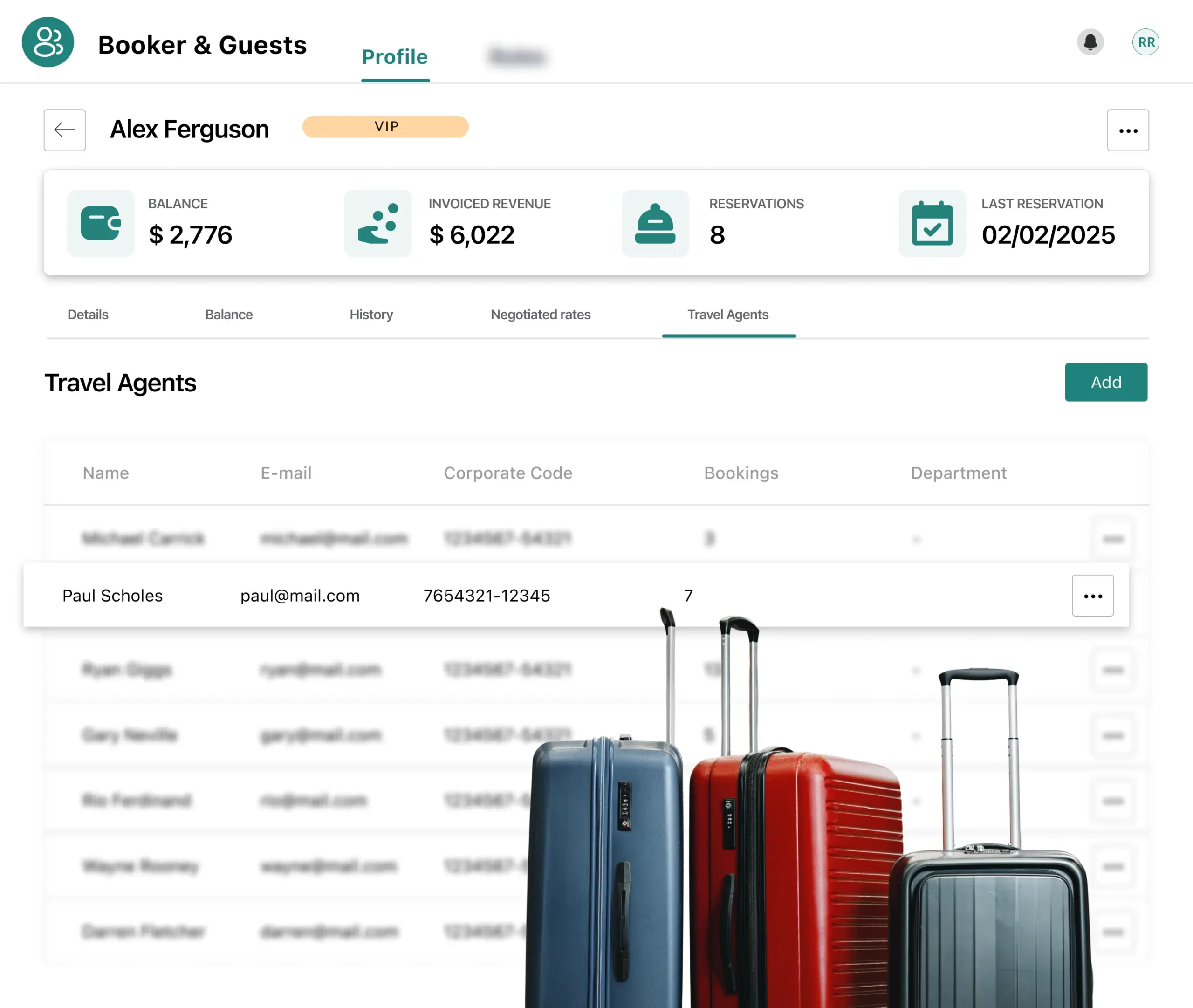
Event management software gives hoteliers the tools to plan and deliver events. Whether you’re looking for group booking software to handle wedding blocks or an automated event planning system to manage function sheets and schedules, the right solution saves hours of admin. These tools can be standalone or part of a broader hotel operations platform, like RoomRaccoon.
While dedicated event managers are on the rise, many independent hotels still rely on GMs or front-office teams to handle events. To support them, hotel systems are evolving. Features like function sheets, group room allotments, F&B planning, and virtual wallets are now built into platforms like RoomRaccoon, designed to simplify workflows and boost event revenue.
Top features of RoomRaccoon’s hotel event management software
Virtual wallets
Big events often mean big deposits, but not always immediate payments. With Virtual Wallets, you can securely store funds and allocate them toward rooms, services, or incidentals when the time is right. It’s ideal for weddings or corporate clients who pay in stages.
Room allotment
Block out rooms for group events and let organizers or even guests reserve their own through a custom booking engine link. Ideal for weddings or retreats. Reduces admin time and errors.
Function sheet
An event function sheet centralizes event details like room setups, catering, and AV needs in one editable sheet. Every department sees the same agenda. That means no missed steps on the big day.
F&B List
When guests book meals with their rooms, those details automatically sync to an F&B list. Your kitchen gets a clear, real-time overview of who needs what and when. No manual tracking, just smooth, accurate service.
Grey rooms
Manage and invoice for alternative bookable spaces like meeting rooms or wedding halls. These don’t affect your occupancy stats. But they do add to your revenue stream. During peak season (June to August), RoomRaccoon users who use Grey Rooms generate an average of $1,992 in additional revenue.
Custom booking engine link
A custom booking engine simplifies group reservations by letting event guests book their own rooms within a pre-set allotment. You define the date range and available rooms, then share a link that allows guests to select their room and add-ons, all within your parameters.
Corporate and negotiated rates
If you offer contracted rates to travel agents or corporate partners, RoomRaccoon makes it easy to honor those deals with custom booker codes. These codes can be used directly in your booking engine, allowing partners to book at their agreed rates without needing to contact you, saving time while reinforcing the relationship.
Benefits of Event Management Software for Hoteliers
When you’re managing events and room bookings simultaneously, things can get complicated fast. With an event coordination tool for hotels, you bring everything under one roof, saving time, cutting errors, and boosting revenue.
Here are three key benefits you’ll notice straight away:
1. Less admin, more clarity
Forget juggling spreadsheets, emails, and sticky notes. With centralized tools like function sheets and F&B lists, every department stays aligned and informed, no double bookings or missed details.
2. Better guest experience
Group organizers can select rooms, plan services, and make payments through one seamless system. That means fewer questions for your team and smoother stays for your guests.
3. Smarter revenue tracking
Track income from rooms, catering, venue hire, and even non-bookable spaces like conference rooms, all without affecting your occupancy stats. Event revenue becomes visible, measurable, and easier to grow.
Who Should Use Hotel Event Management Software?
It’s not just for big chains with ballrooms and boardrooms.
Hotel event management software can unlock fresh revenue streams for independent properties, especially those ready to think beyond room nights.
Here’s who benefits most:
- Independent hotels hosting regular group bookings or functions
- Properties looking to increase revenue beyond room nights
- Hotels with underused common areas like lounges, courtyards, or meeting rooms
Follow us


Nicky. M
Nicky is RoomRaccoon's Senior Content Manager, combining a love for travel with a practical approach to improving hotel performance through tech and insightful tips. Join her journey where travel, hospitality, and technology meet.


Subscribe to our newsletter for more on the latest hospitality & RoomRaccoon updates delivered straight to your inbox!